
CardioFrontiers 2026: Four Days at the Frontier of Cardiovascular Science
September 11–14, 2026 · Texas Medical Center, Houston, Texas
For four days in September, the Texas Medical Center brought together researchers from across the cardiovascular field. CardioFrontiers 2026 brought investigators, trainees, and collaborators to Houston for a meeting that spanned from fundamental biology to translational and clinical work: cardiac development, disease, and regeneration, argued out in a lecture hall rather than summarized from a distance.
Jun Wang, PhD, of UTHealth Houston and Brian L. Black, PhD, of the Cardiovascular Research Institute at UCSF co-chaired the conference, with a local organizing committee drawn from Baylor College of Medicine, UTHealth, Houston Methodist, MD Anderson, Texas A&M, and the University of Houston. Sessions alternated between UTHealth’s McGovern Medical School and Baylor College of Medicine, a short walk apart across the TMC campus.
The program paired more than thirty featured and Rising Star talks with a full day devoted to early-career science, a poster session, a career panel, two industry sessions, and an awards dinner. What follows is the meeting as the camera found it.
Day One: The Early Career Symposium
CardioFrontiers opened at UTHealth with an afternoon built entirely around the people earliest in their careers. Graduate students, postdoctoral fellows, and young investigators took the podium for oral and three-minute pitch talks on subjects ranging from Hippo signaling in sinoatrial node morphogenesis to the cardiac circadian clock, mitochondrial calcium efflux, and machine-learning approaches to gene prioritization. A panel of experts from industry, academia, publishing, and research administration followed, and the day closed with posters and a long, loud networking session.
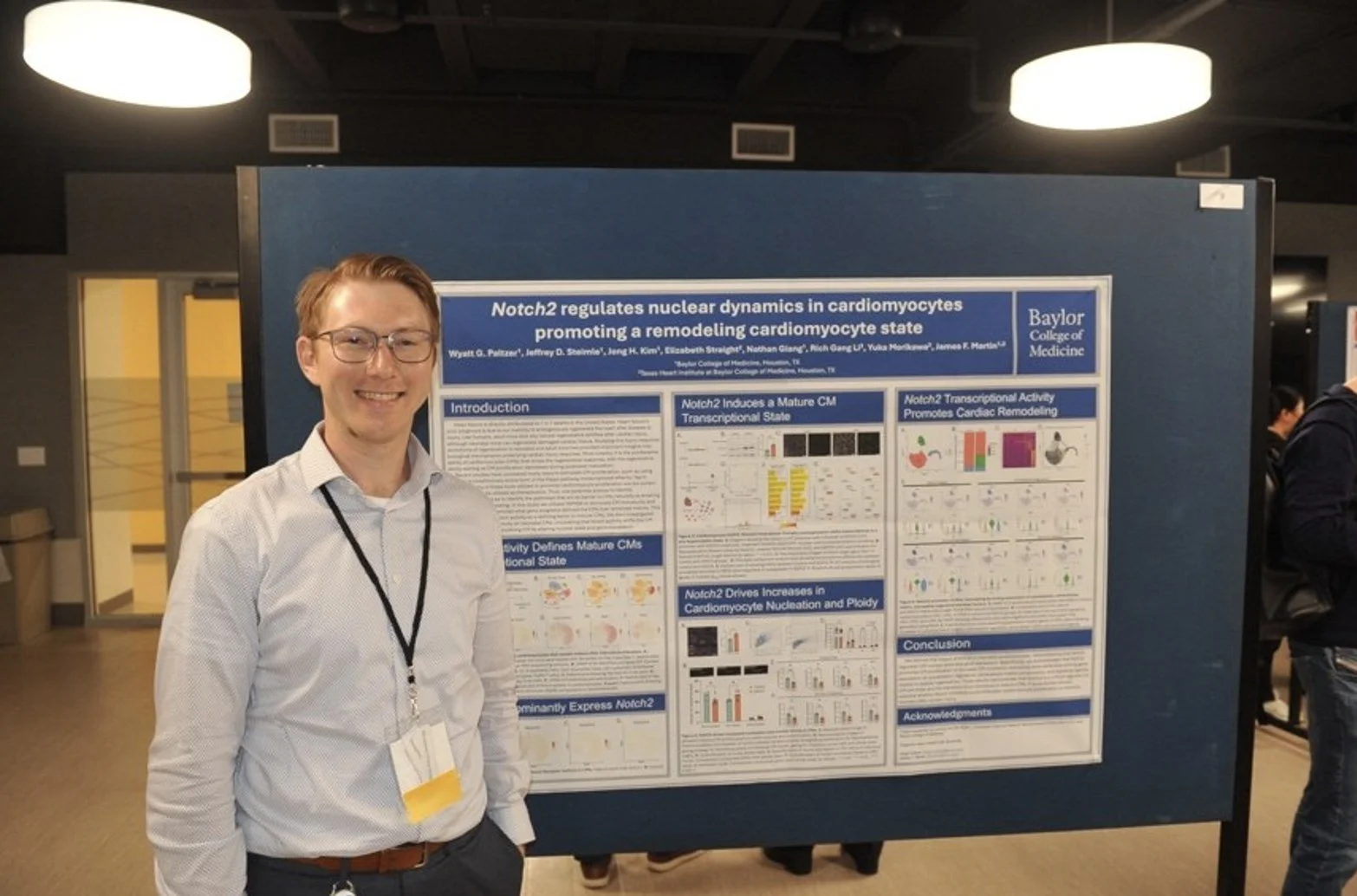
Wyatt Paltzer, PhD, a postdoctoral fellow in the Martin Lab, at his poster on Notch2 and cardiomyocyte nuclear dynamics, work he also presented from the podium during the postdoctoral session.
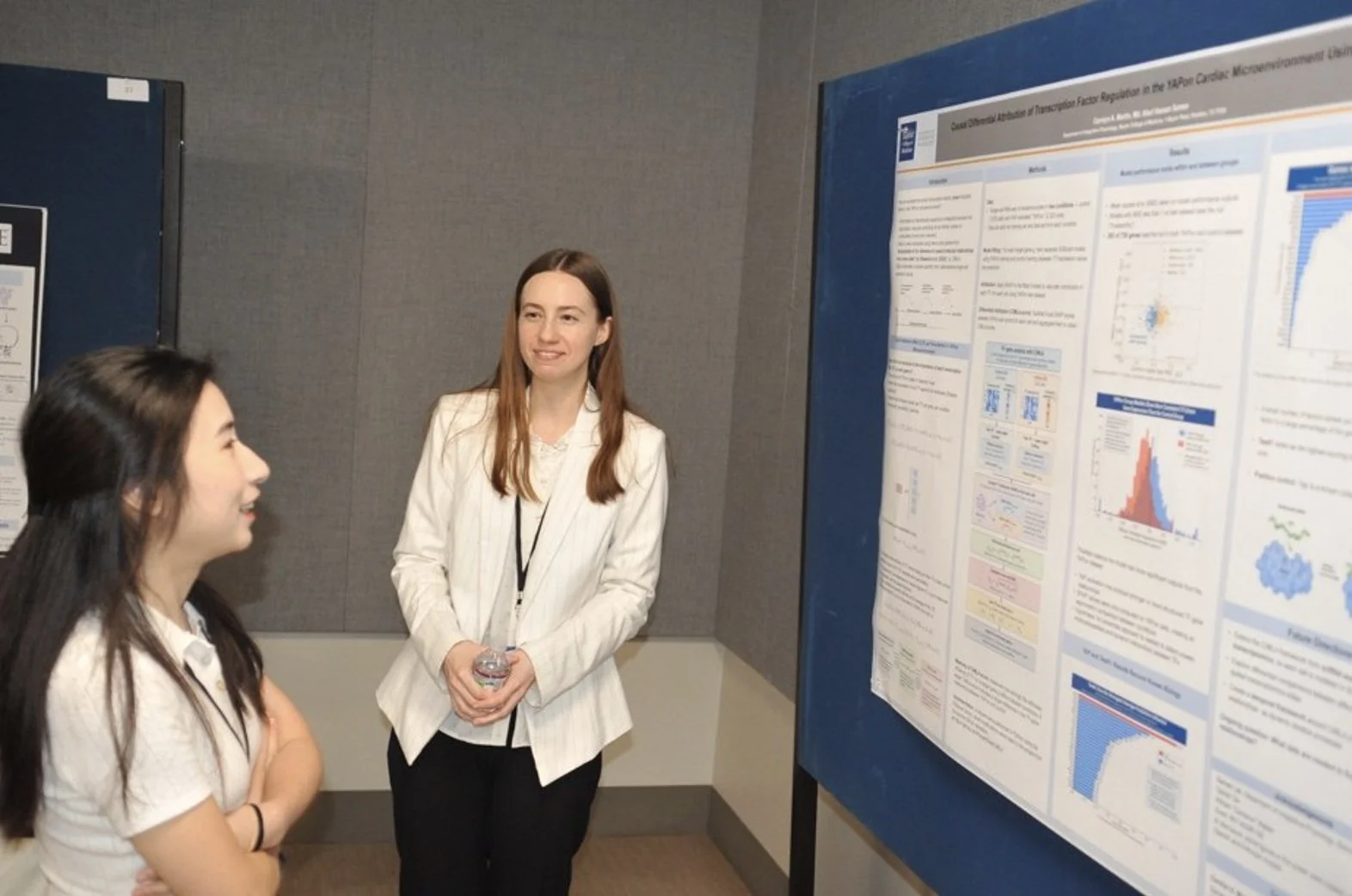
Yi Luo, PhD, works through the data with Carolyn Martin at her poster. The poster session was scheduled for ninety minutes and, as usual, ran well over.
Day Two: Reprogramming, Mitochondria, and Mechanisms
Saturday moved to Baylor’s DeBakey Building and to the featured program. The morning opened with cardiac reprogramming and mitochondrial signaling, and the afternoon turned to disease mechanisms and therapeutic frontiers: mitochondrial transplantation, the cardiac endothelium's contribution to myocardial morphogenesis, and the noncoding variation that underlies much of cardiac genetics.
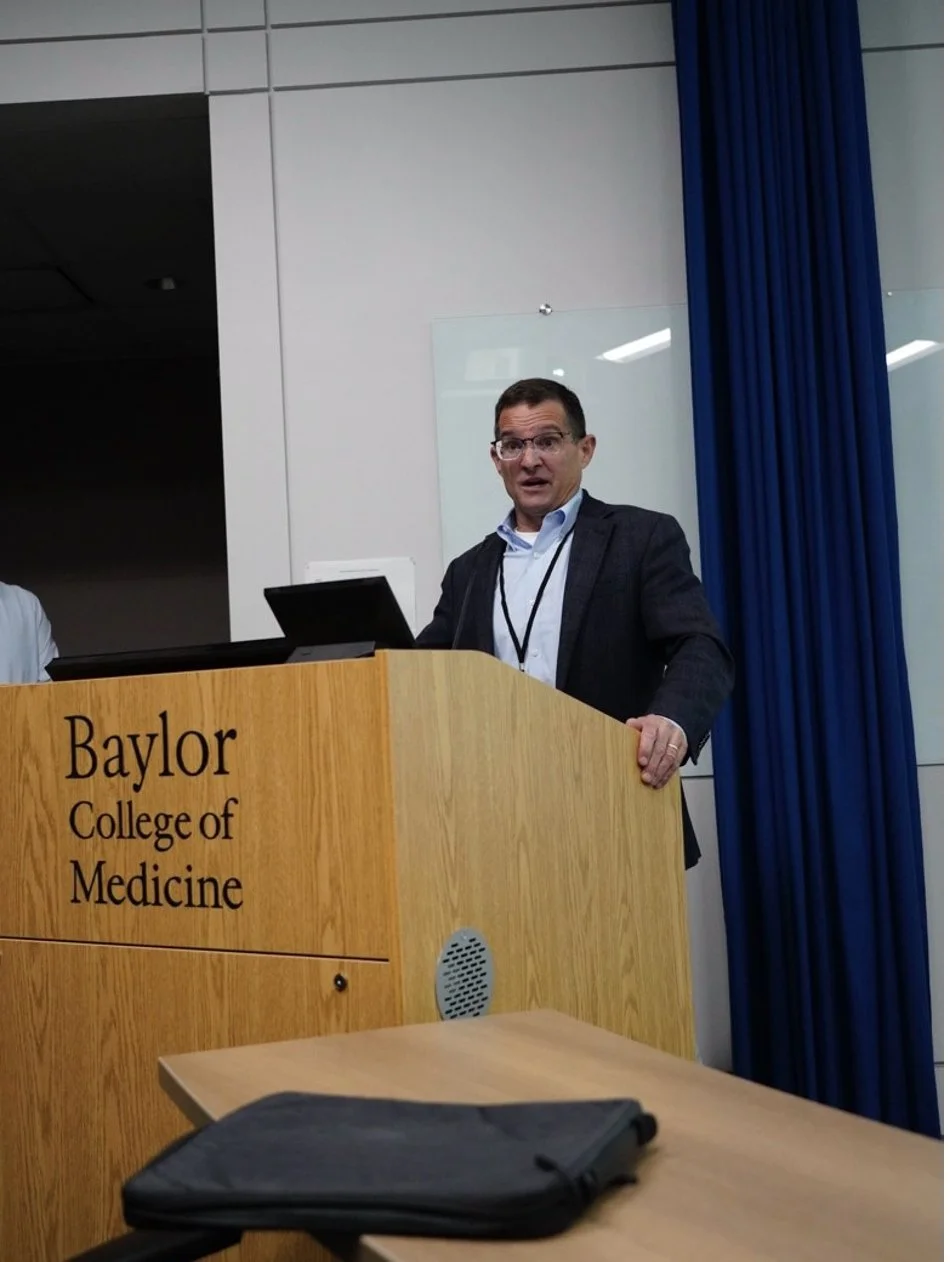
Co-chair Brian Black, PhD (UCSF), presents a cis code for outflow tract–restricted gene expression, the regulatory grammar that keeps a gene switched on in one part of the developing heart and nowhere else.
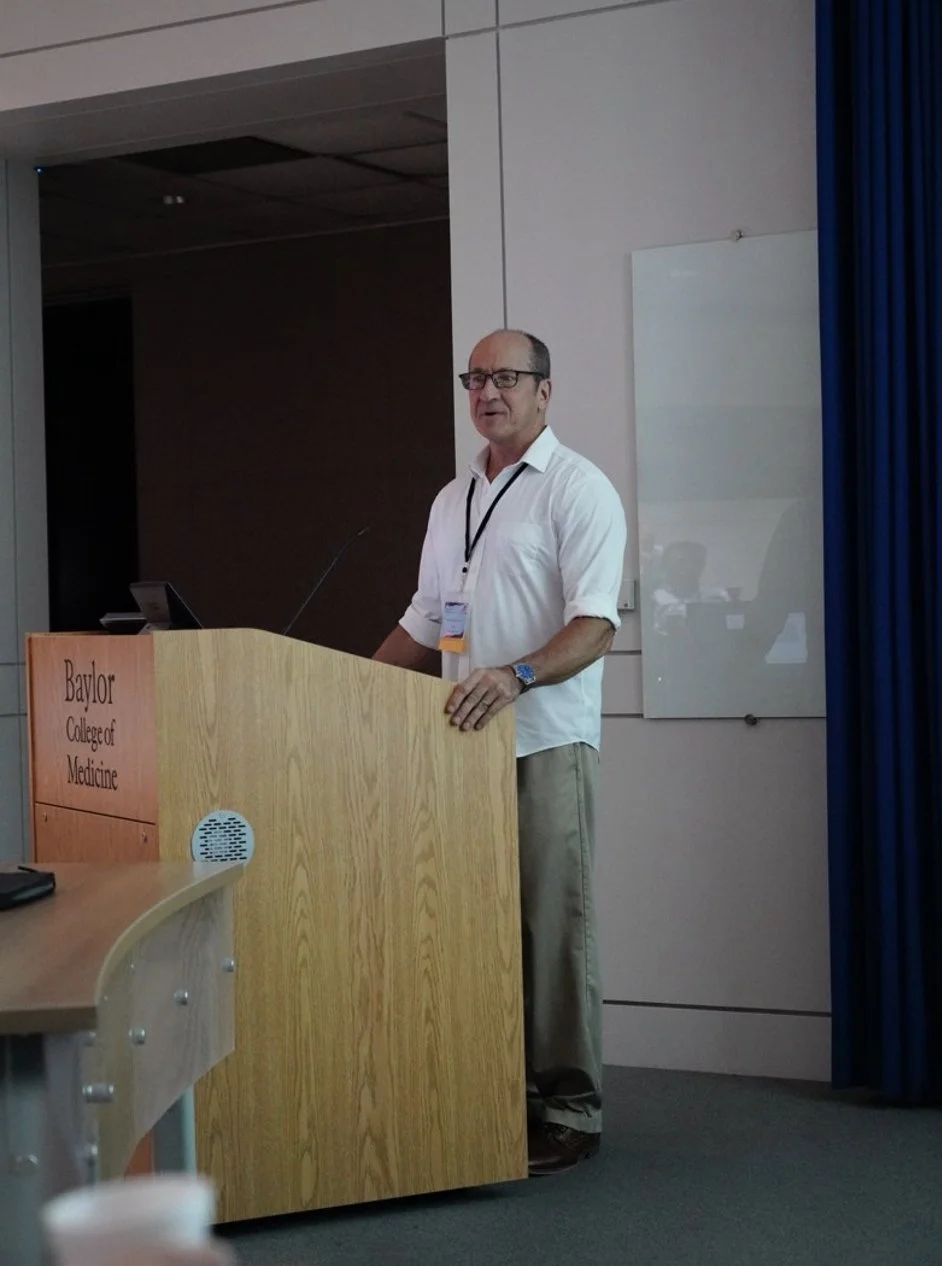
Jeffery D. Molkentin, PhD (Cincinnati Children’s Hospital), challenges mitochondrial transplantation as a route to treating disease in vivo.
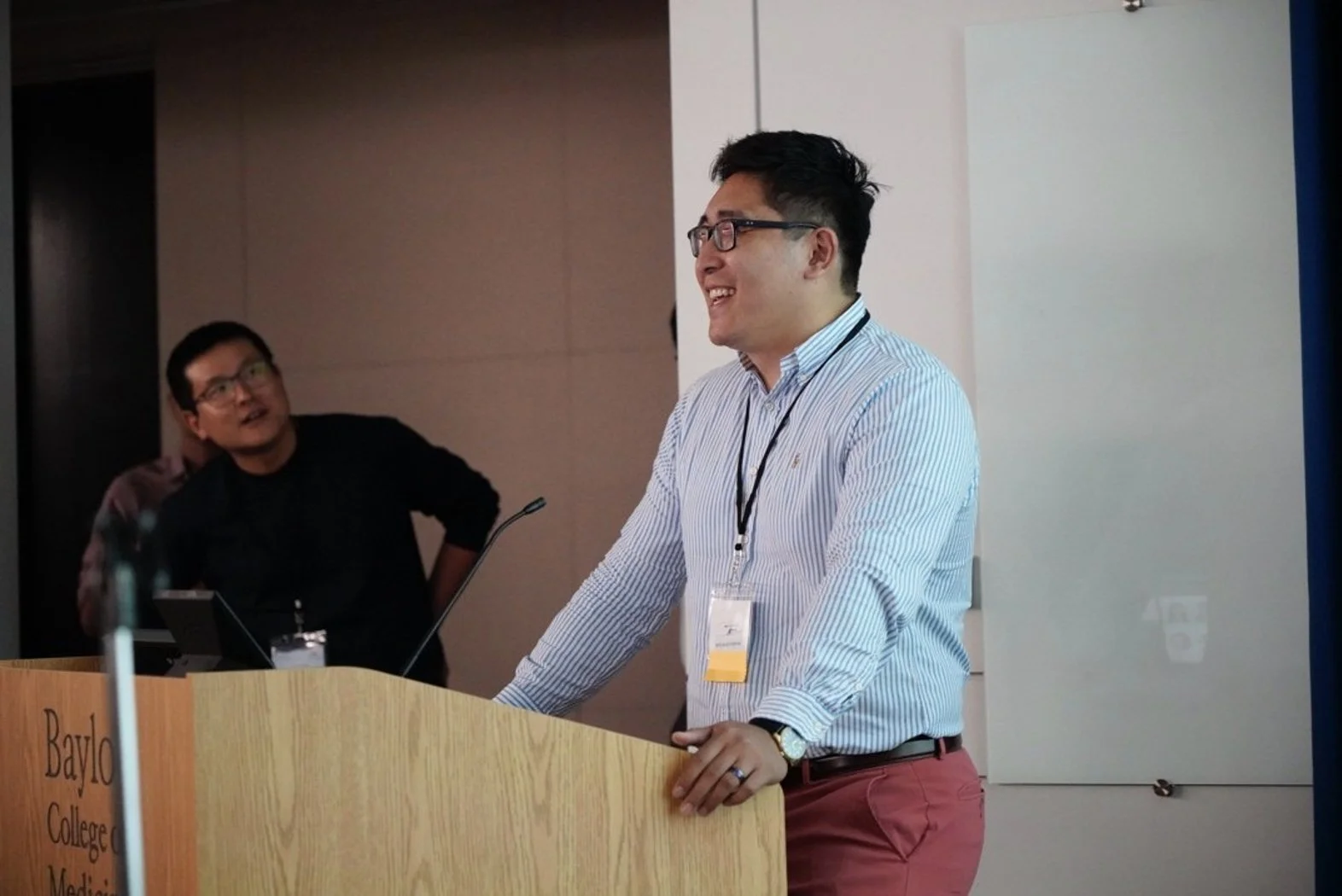
Rising Star Rich Li, PhD (Temple University), on complement signaling and the immune-suppressive microenvironment that takes shape during cardiac renewal.
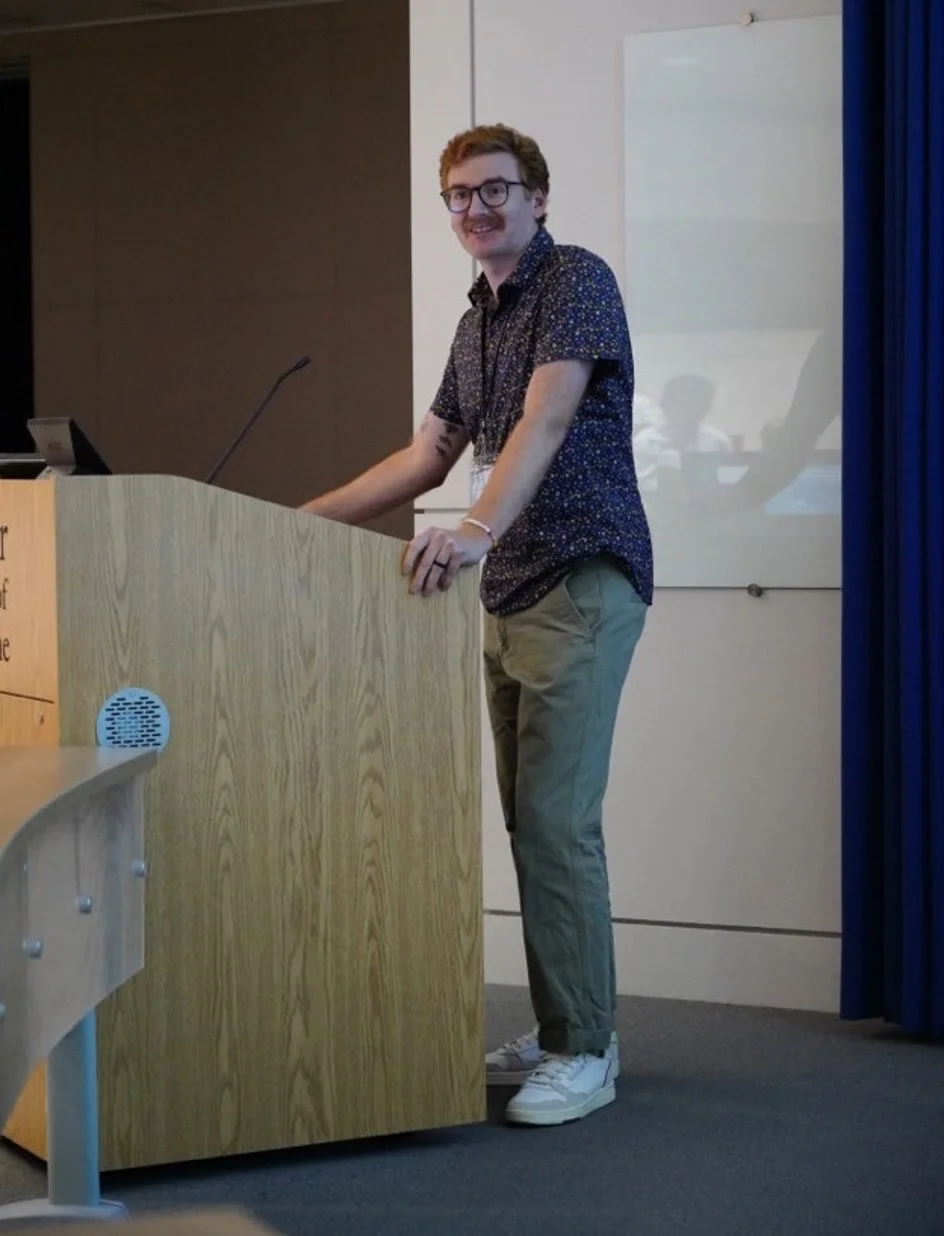
Tanner Monroe, PhD (Icahn School of Medicine at Mount Sinai), on identifying and modeling the noncoding genetic variation behind cardiac disease.
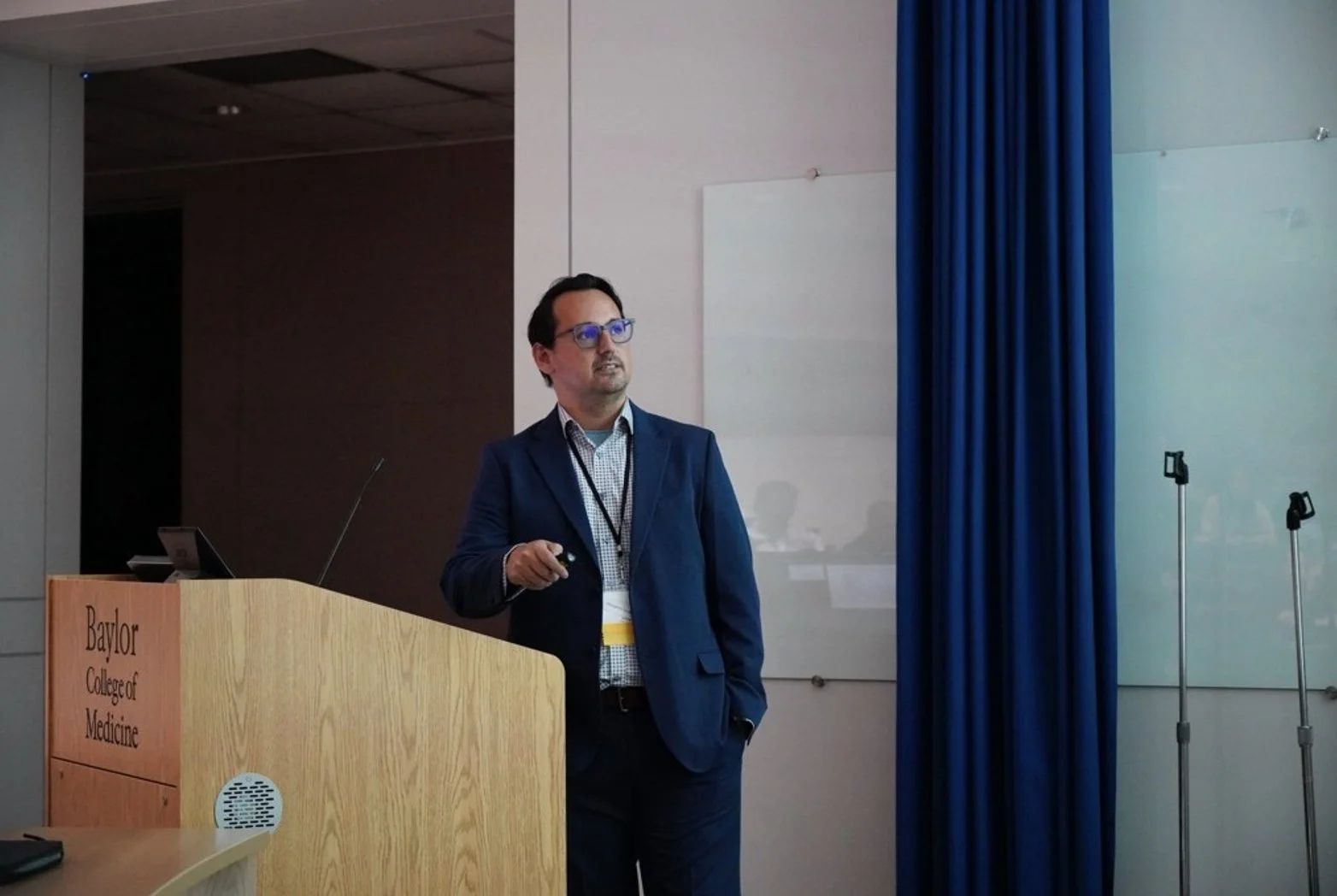
John Leach, PhD, of Medley Therapeutics during Session 4, "Bench to Biotech", one of two sessions given over to what happens to a discovery after the paper.
Some of the best moments of any meeting happen in the two minutes after a talk ends, when the room decides what it actually thinks.
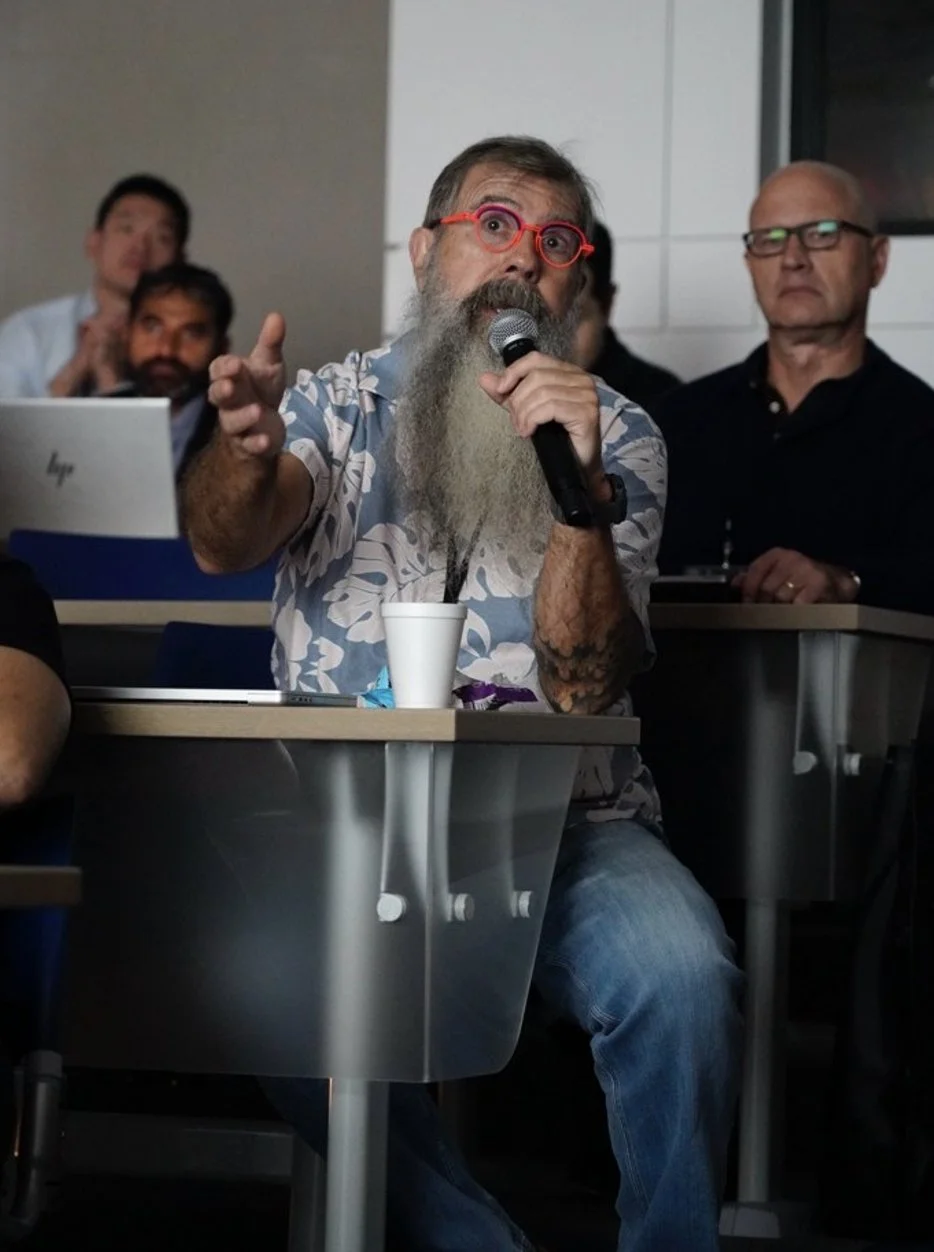
Tony Firulli, PhD (Indiana University School of Medicine), with a question from the floor.
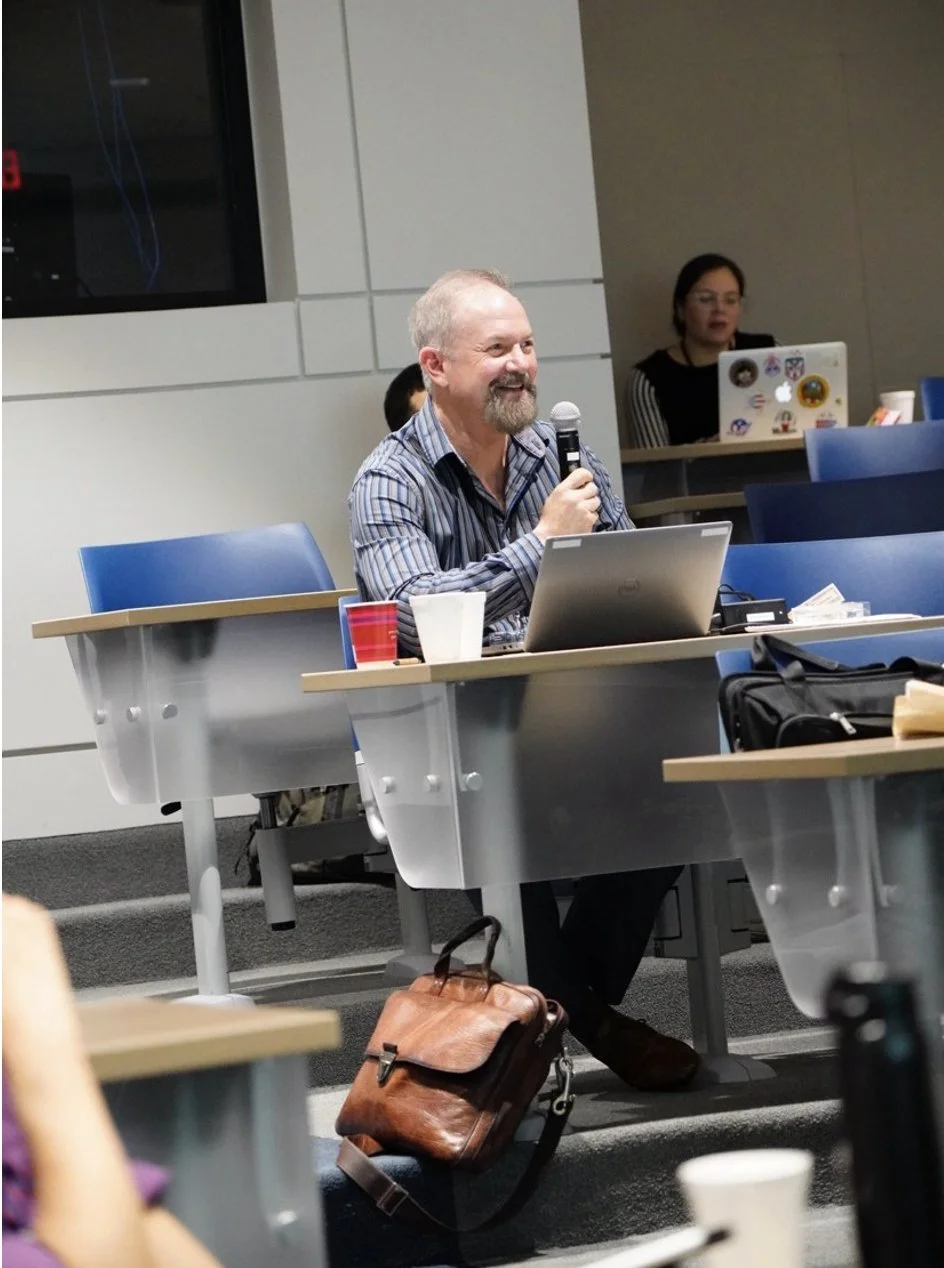
Tim McKinsey, PhD (University of Colorado Anschutz), picks up the thread from the audience.
The Distinguished Mentor Award
Saturday afternoon closed with the session the meeting had been building toward. The Distinguished Mentor Award was presented to James F. Martin, MD, PhD, Vivian L. Smith Professor in the Department of Integrative Physiology at Baylor College of Medicine and Director of the Cardiomyocyte Renewal Laboratory at the Texas Heart Institute, in recognition of three decades of discovery and mentorship, from the role of Hippo-YAP signaling in heart muscle growth to gene therapies that reverse heart failure in preclinical models.
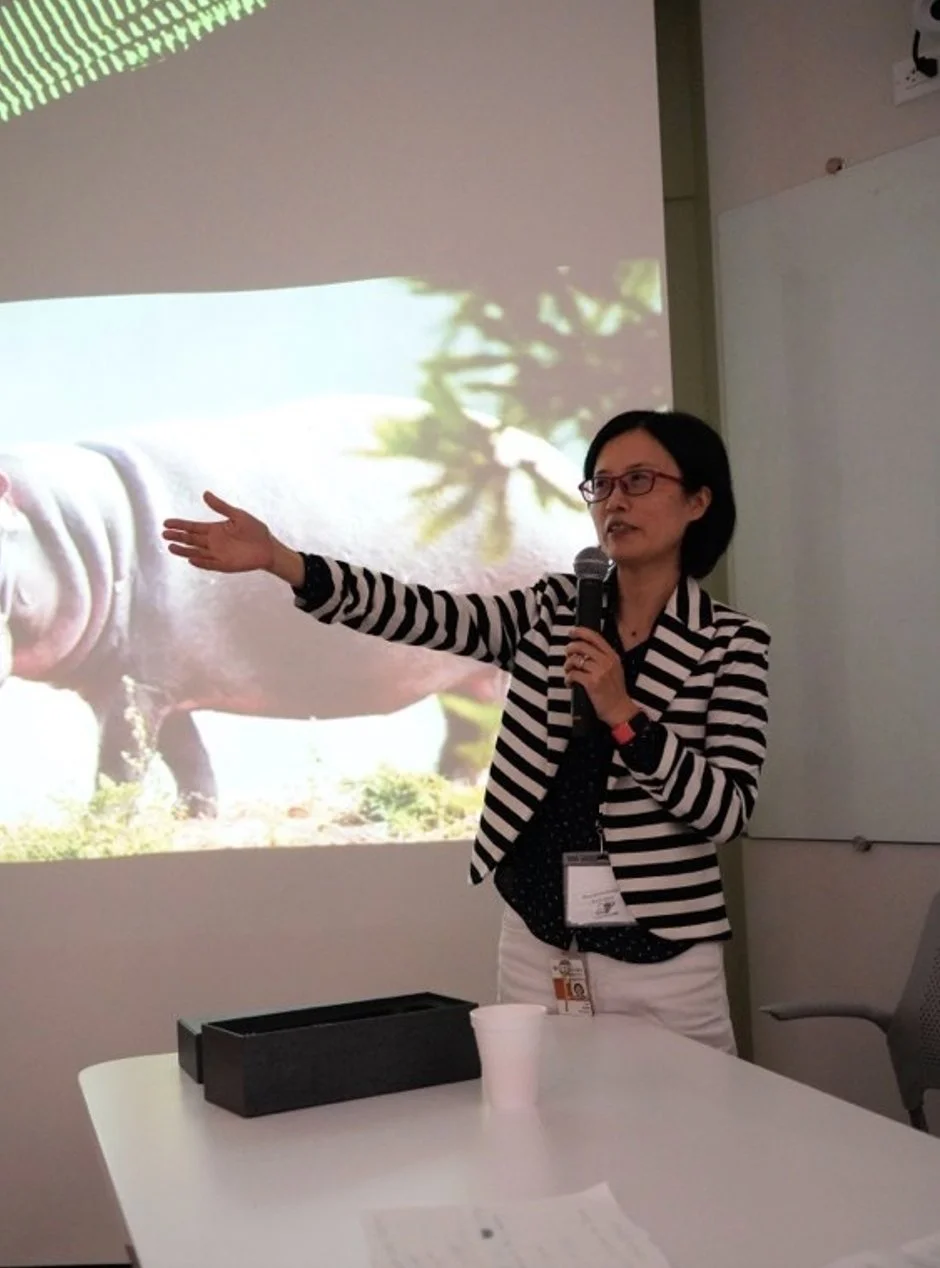
Wang announces the award. The slide behind her makes the point that a career spent on Hippo signaling earns you exactly one visual pun, and you should use it.
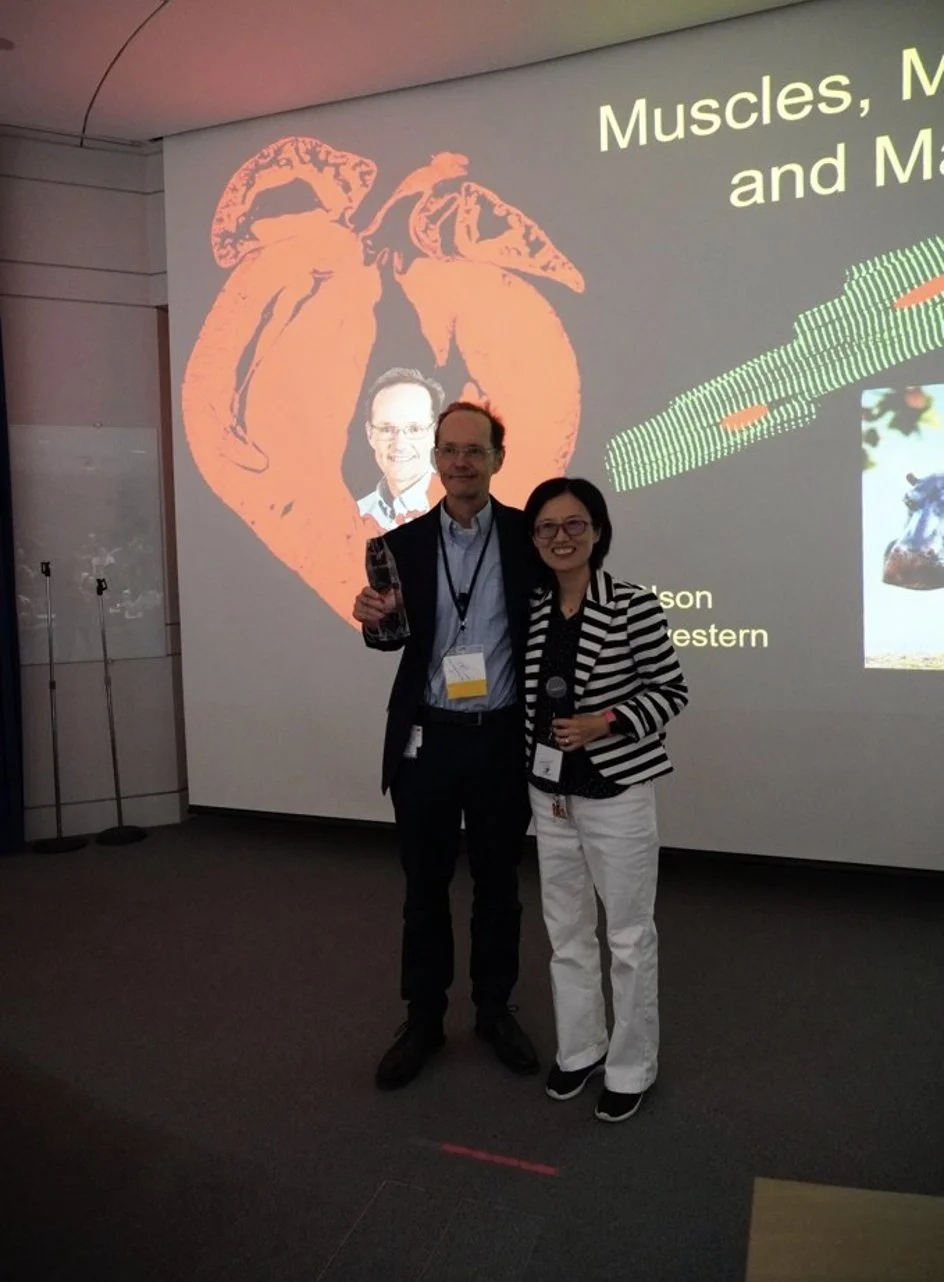
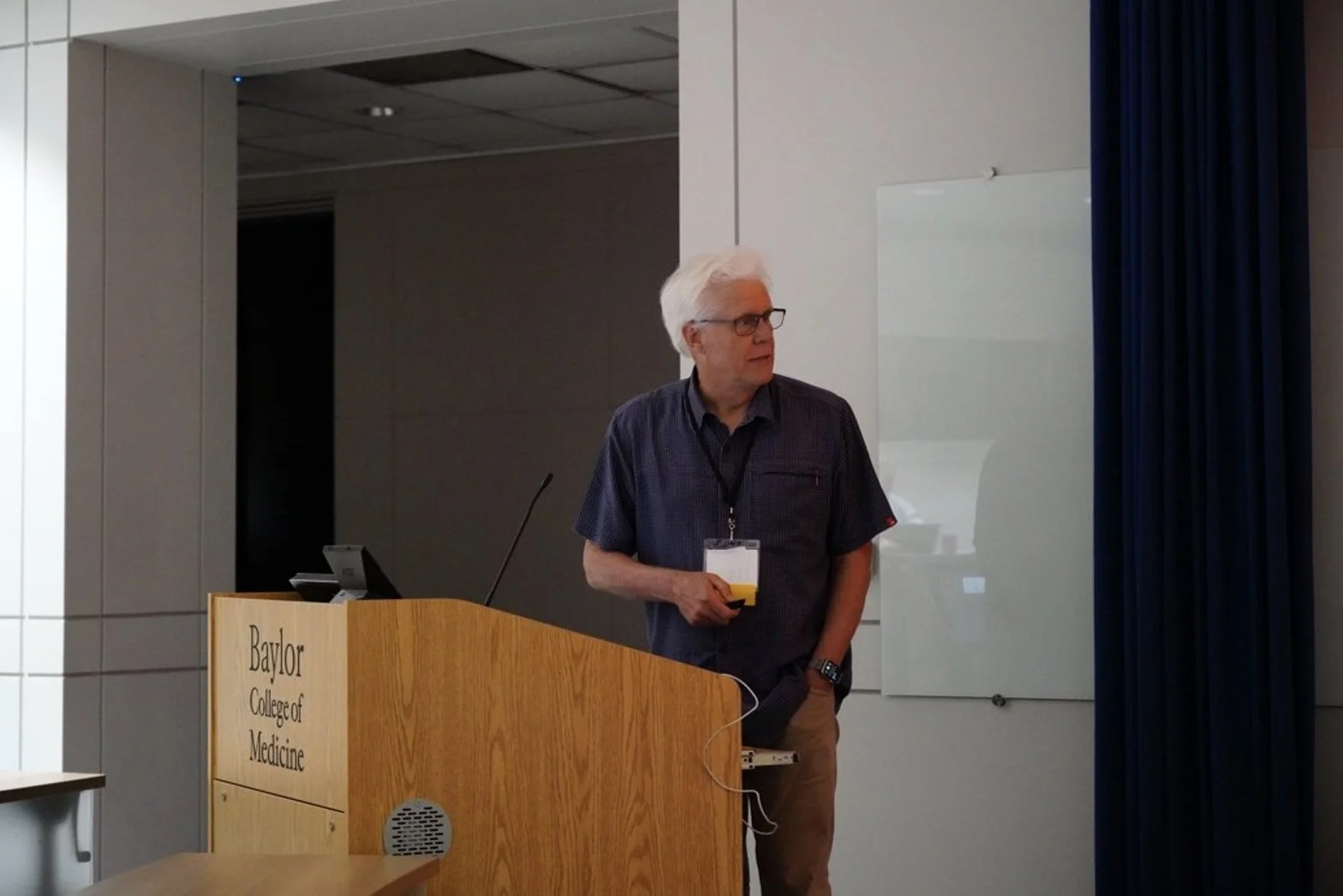
Jun Wang, PhD, and James Martin, MD, PhD, holding his award in front of the title slide for the tribute lecture: "Muscles, Memories, and Martin."
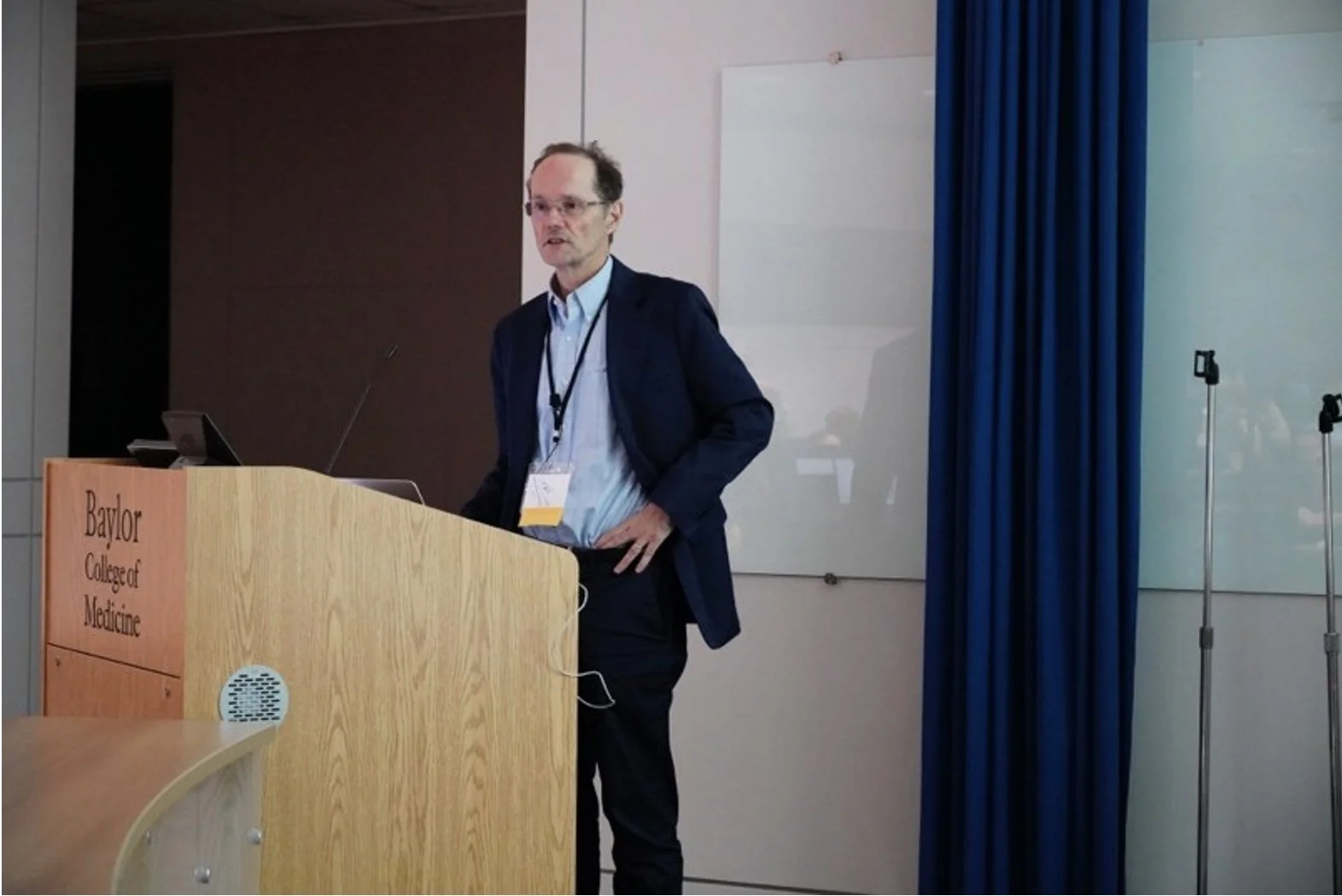
Eric N. Olson, PhD, founding chair of Molecular Biology at UT Southwestern and Martin’s postdoctoral mentor, delivers the tribute remarks.
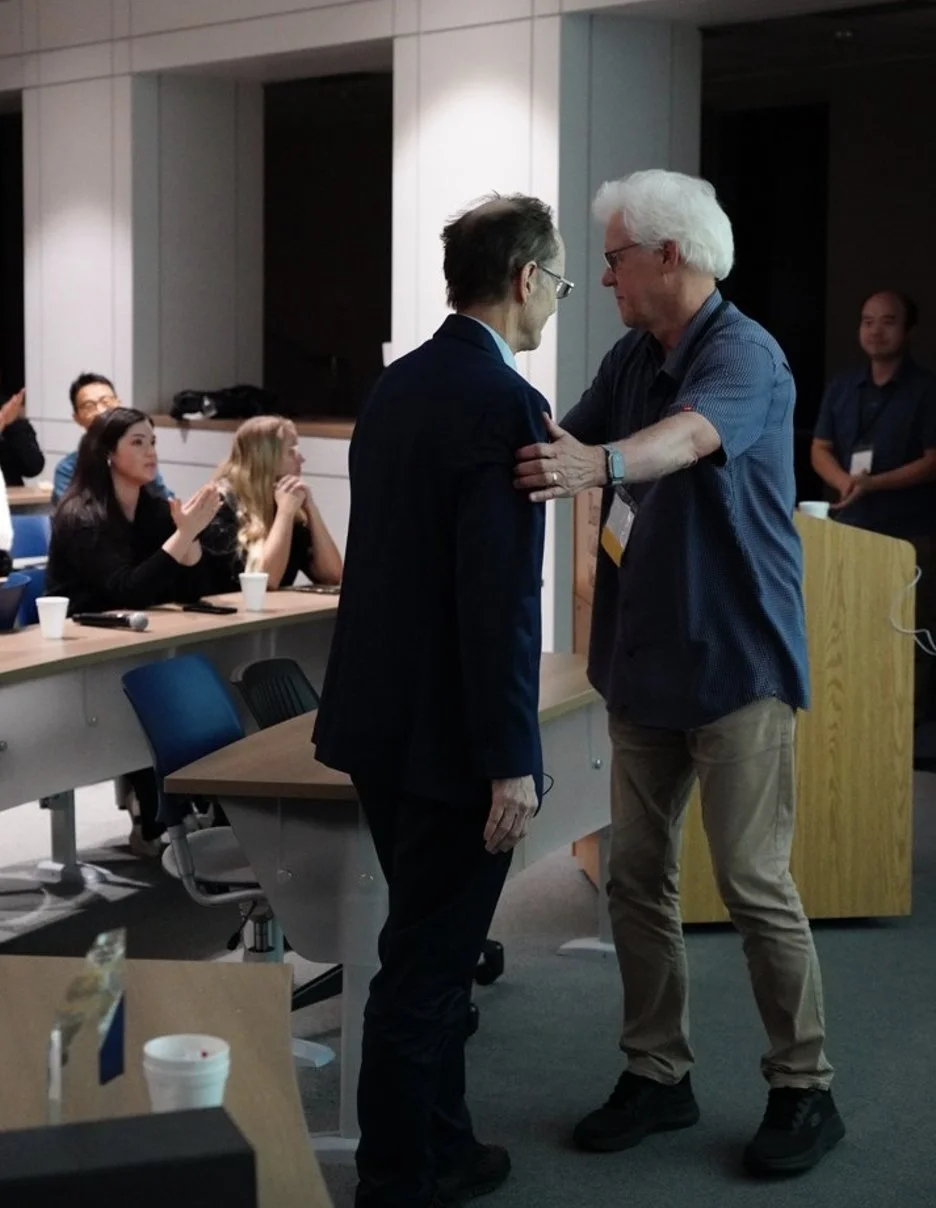
Mentor and mentee at the front of the room, a scientific lineage that now runs through several hundred trainees and most of this program.
Martin delivers the keynote lecture, "Uncovering Latent Regeneration in Humans."
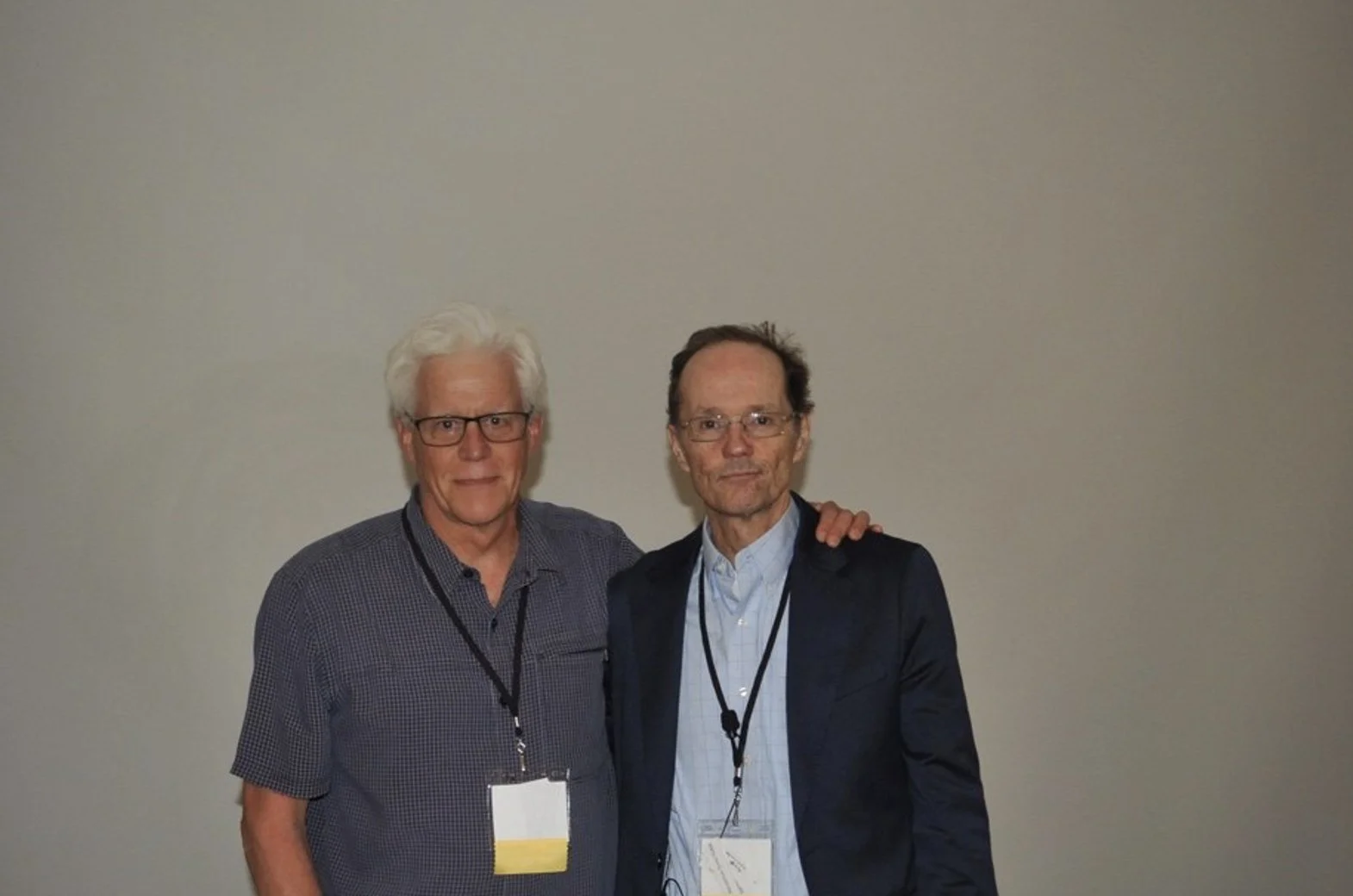
Olson and Martin, thirty years after Martin opened his own lab.
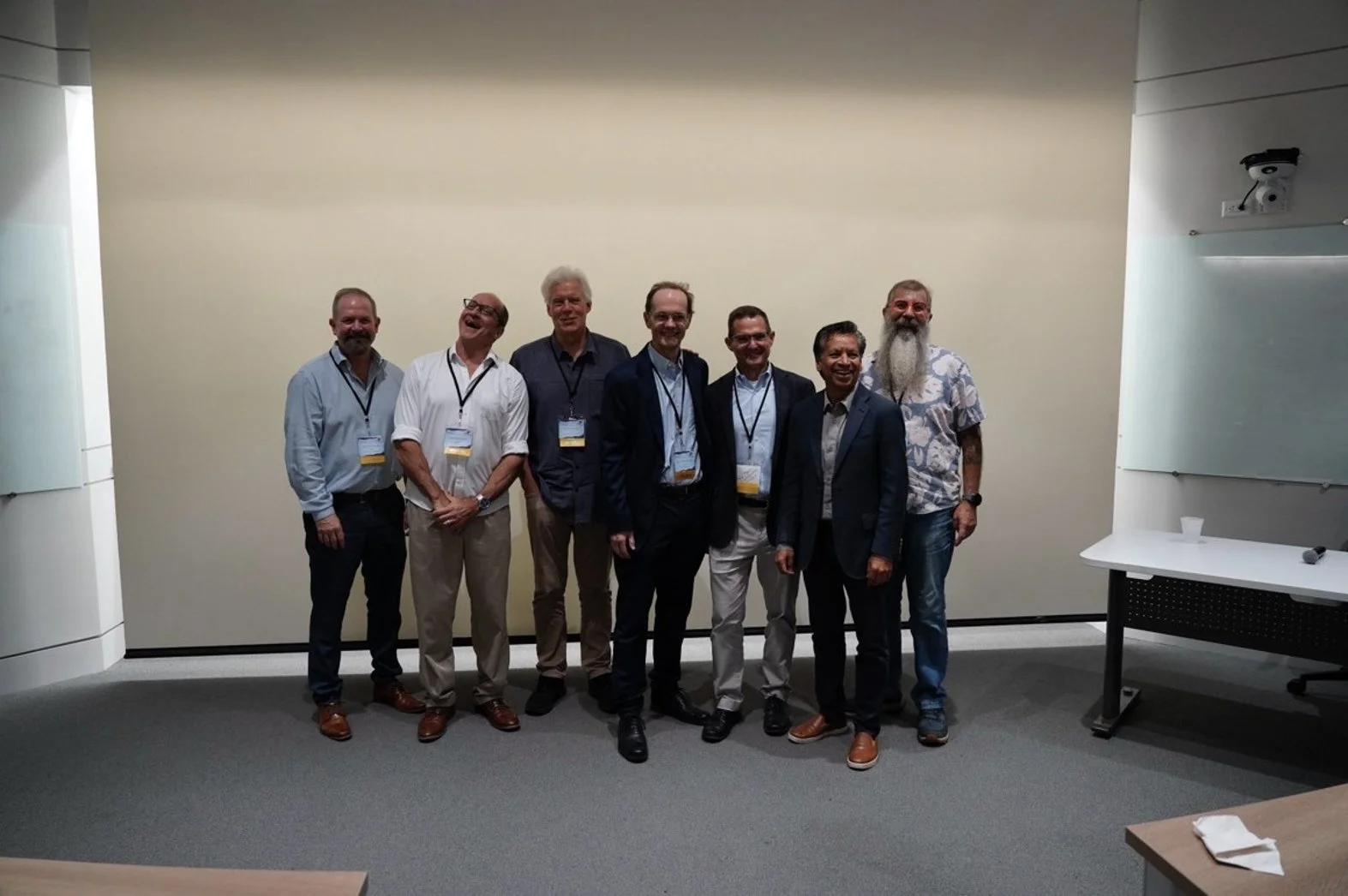
Martin (center) recreates a long-running pose with colleagues and his mentor, Eric Olson. Reunion photographs of this kind are the real currency of a field this small and this old.
Awards and Dinner at III
The reception dinner took place six floors above Bertner Avenue at III Catering, where the organizers presented the meeting’s awards and the science briefly gave way to conversation.
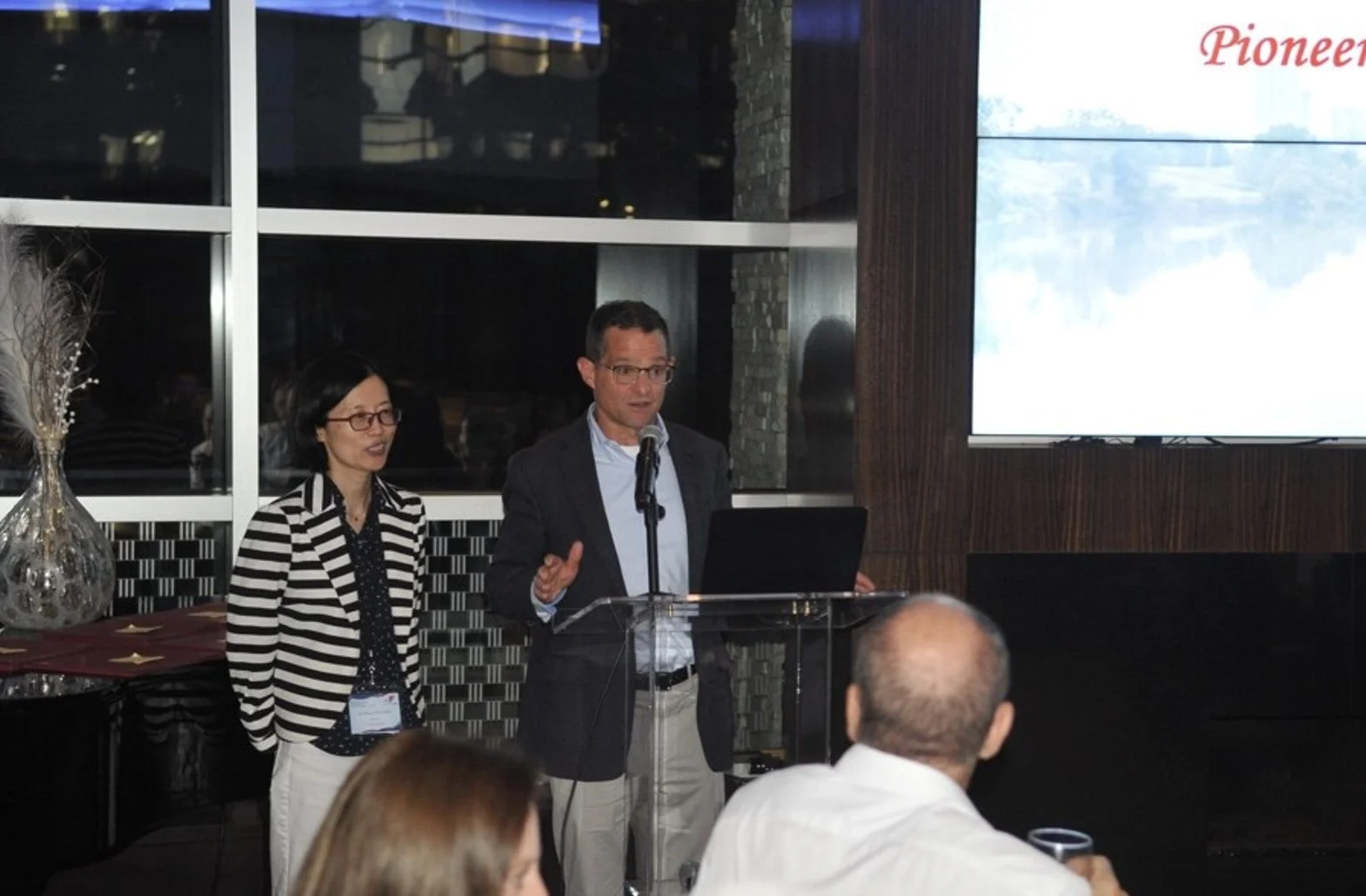
Jun Wang and Brian Black open the awards ceremony at the reception dinner.
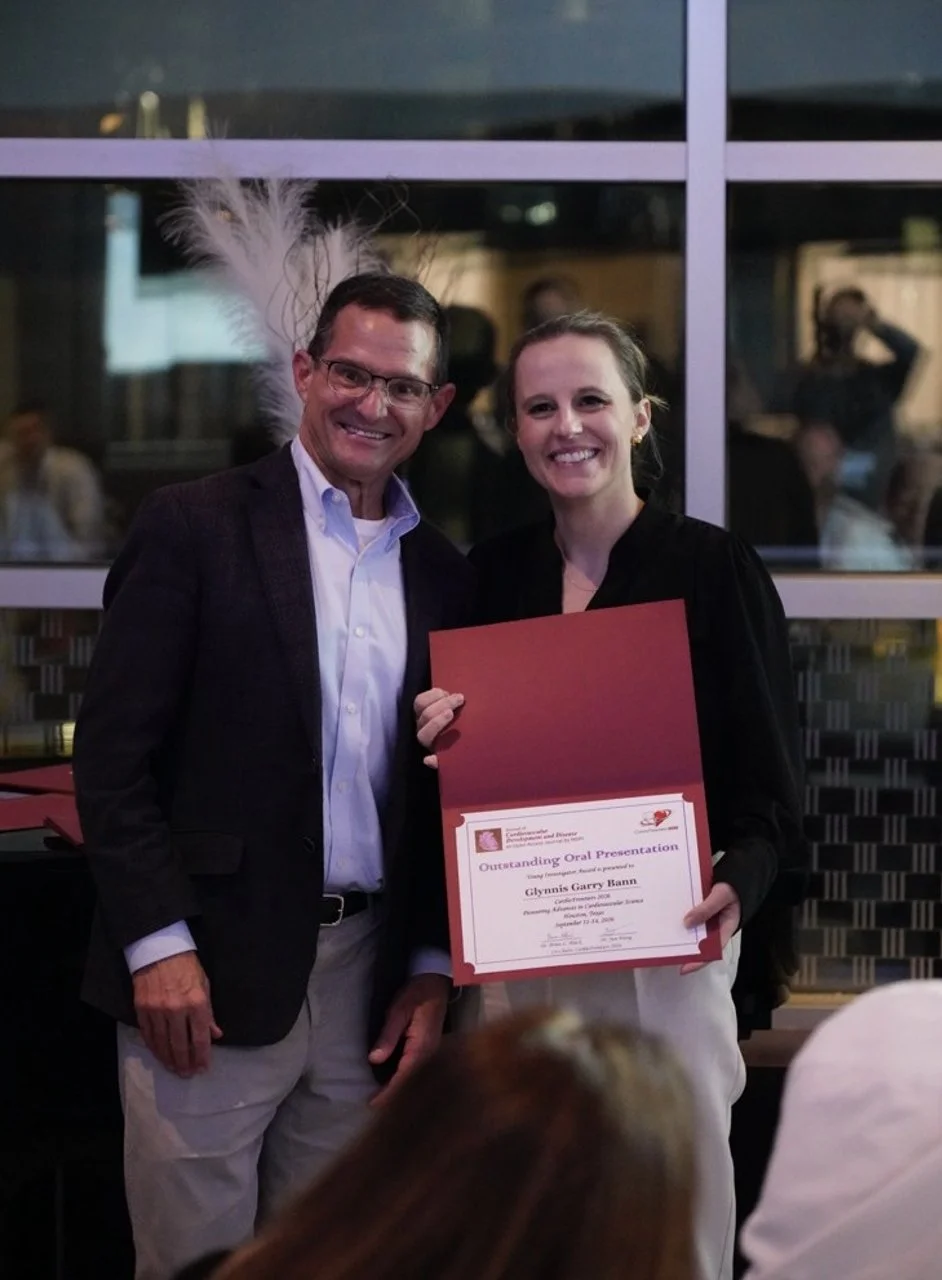
Black presents Glynnis Garry Bann, MD, PhD (UT Southwestern), with her award for work on chromatin monoubiquitinylation as a regulator of cardiac cell fate reprogramming.
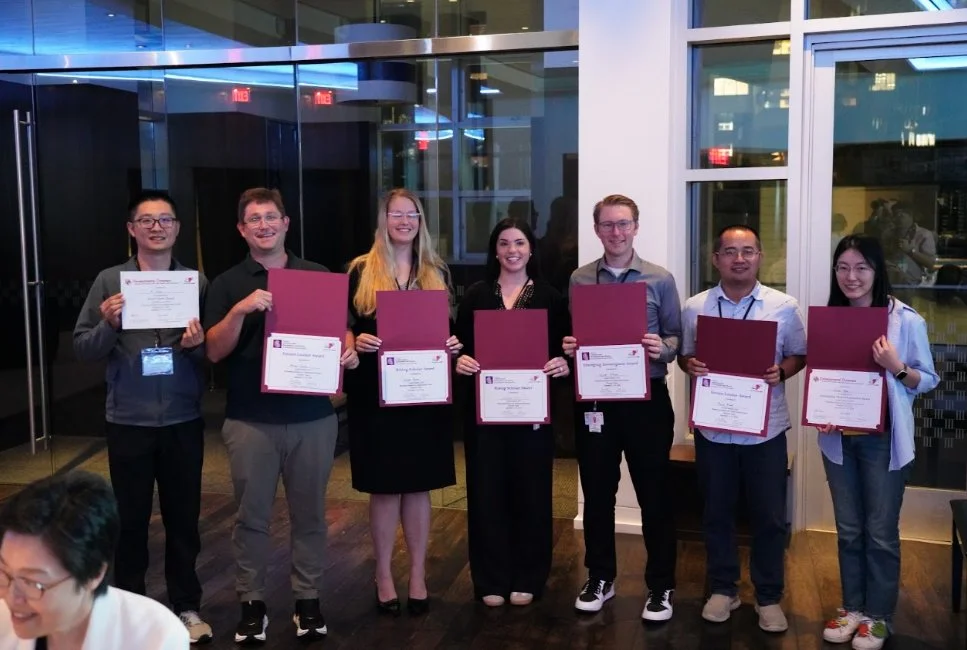
The evening’s award recipients, selected from the graduate student, postdoctoral, and young investigator talks.
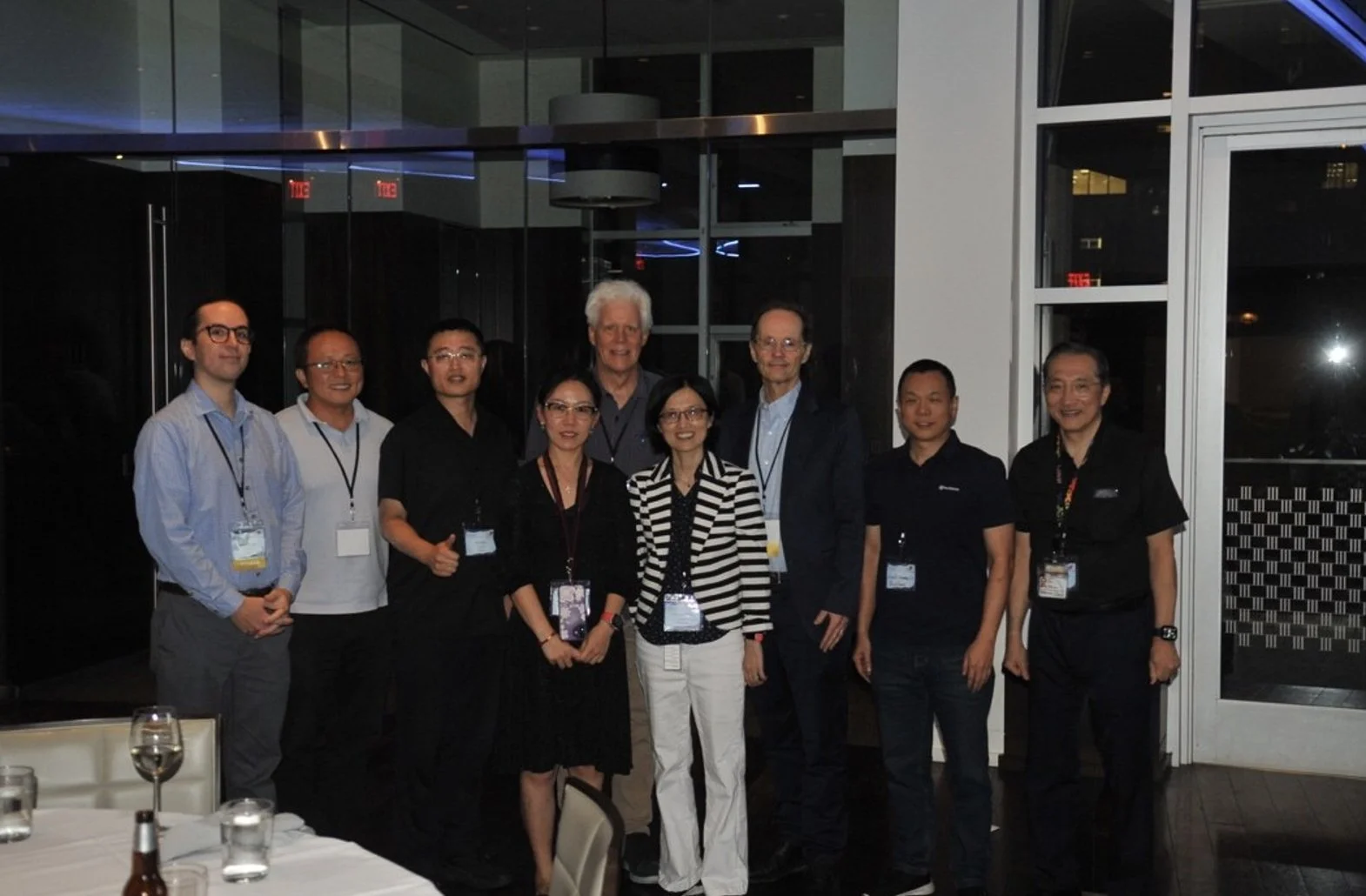
Olson, Wang, and Martin with representatives of the organizations whose sponsorship made the meeting possible.
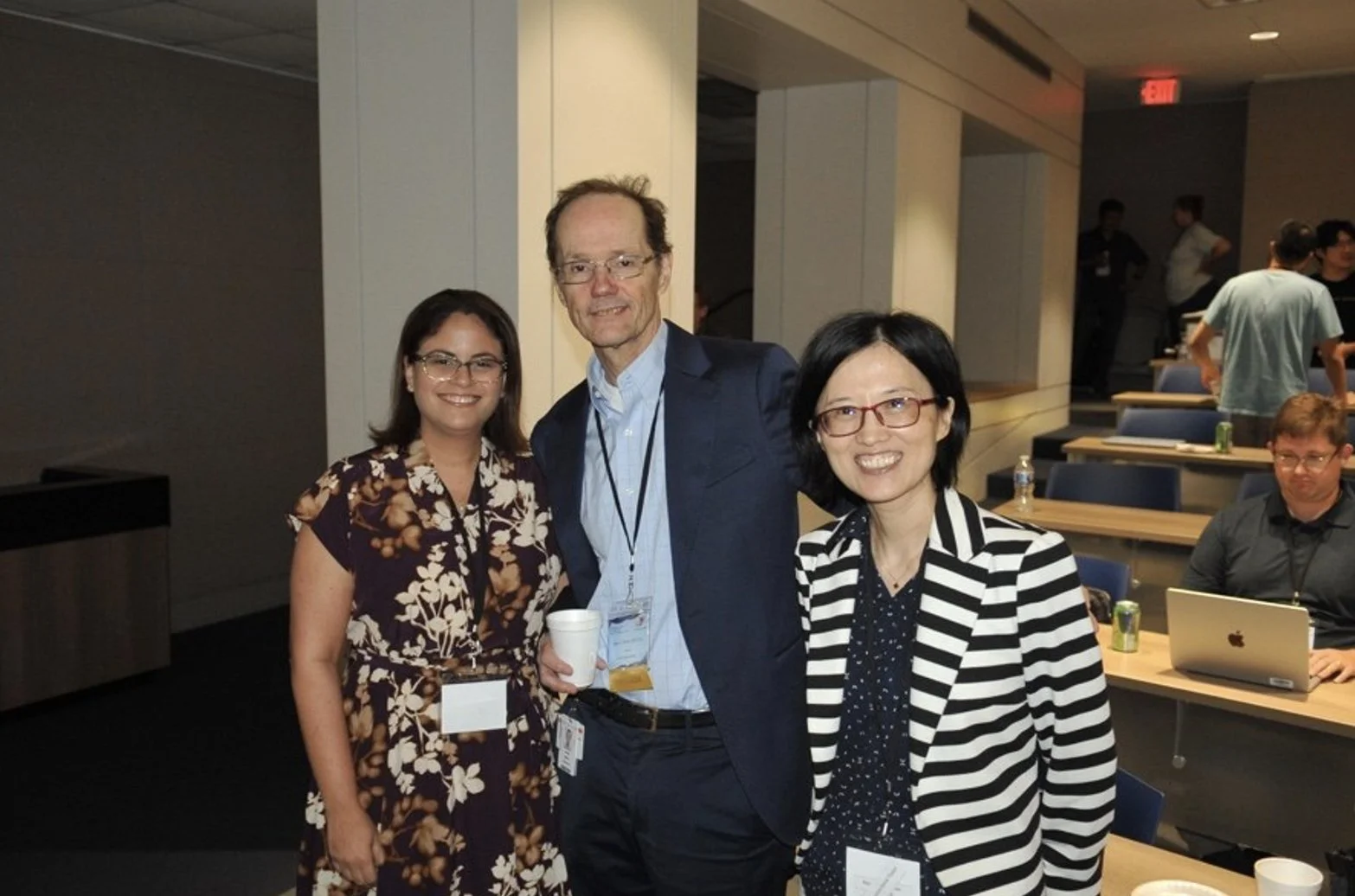
Martin with two former lab members, Margarita Bonilla-Claudio, PhD, and Jun Wang, PhD..
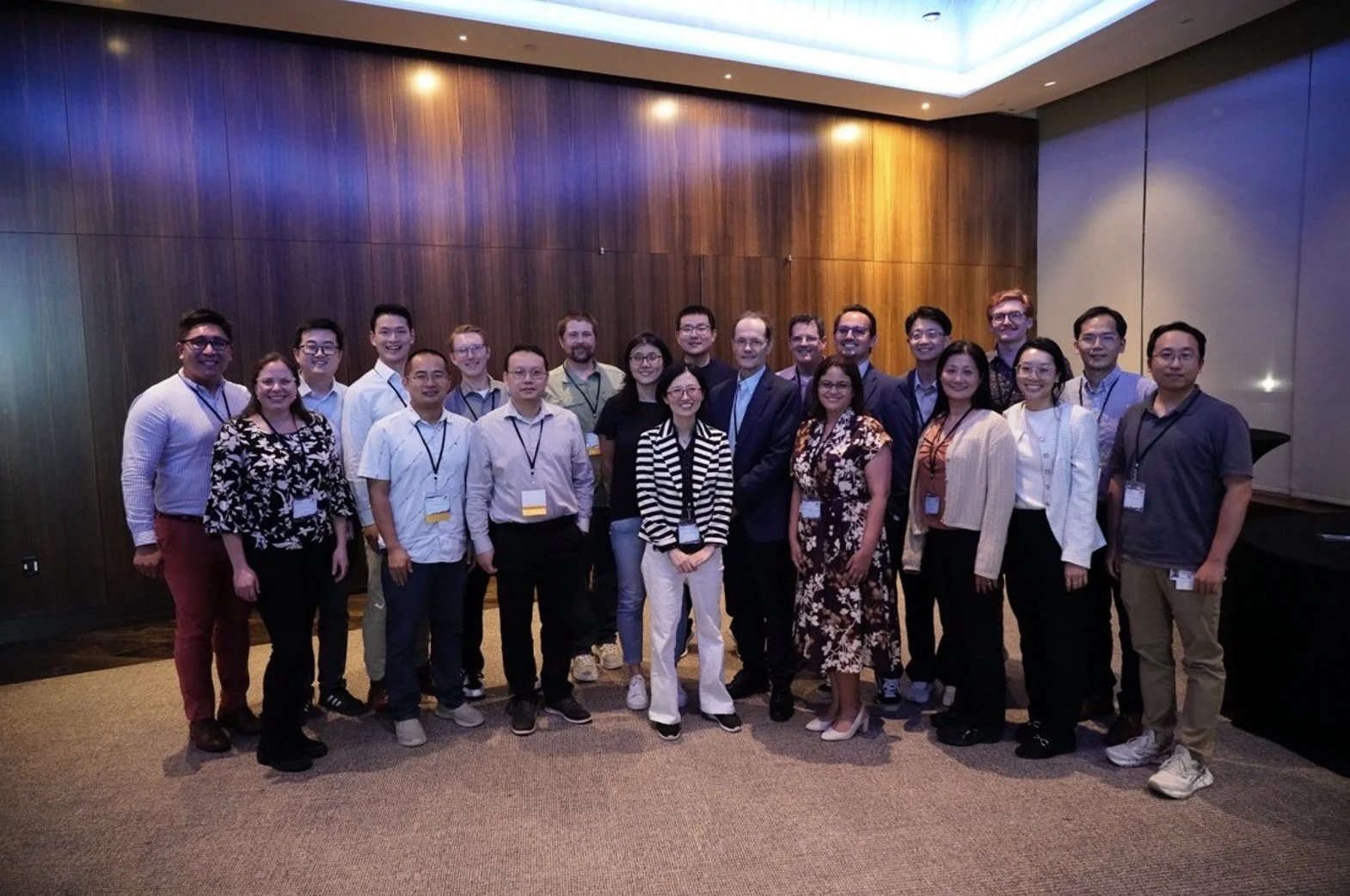
Martin with current and former trainees. Between them, they now run labs in Houston, Cincinnati, Shanghai, and elsewhere.
Day Three: Conduction, Genomes, and Gene Regulatory Networks
Sunday: Attendees remained at Baylor College of Medicine to hear about cardiac conduction and arrhythmia, genomic and molecular regulation, and integrative mechanisms in development and disease
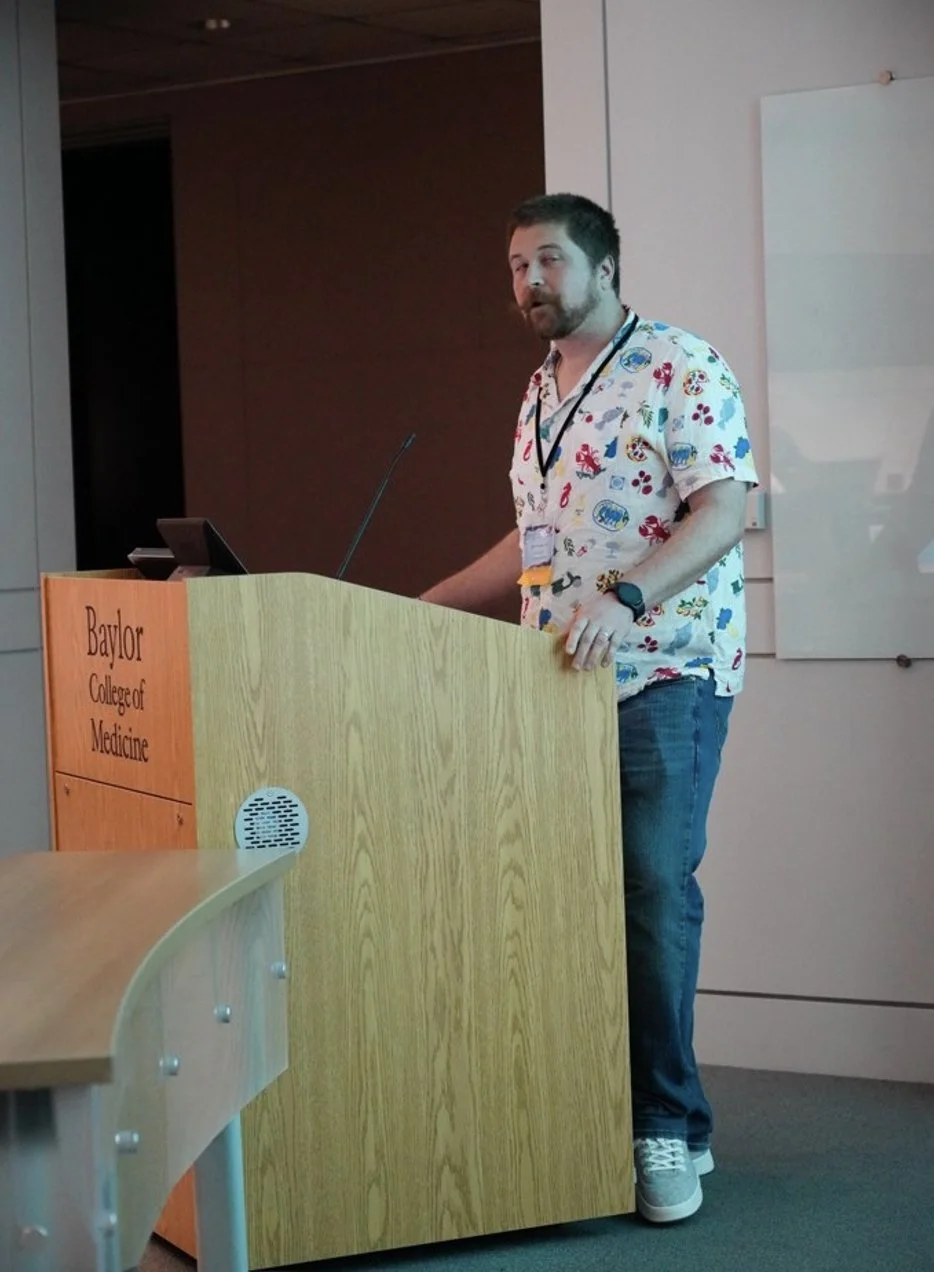
Jeffrey D. Steimle, PhD (Cincinnati Children’s Hospital), on a PITX2 missense coding variant with a direct functional role in atrial fibrillation.
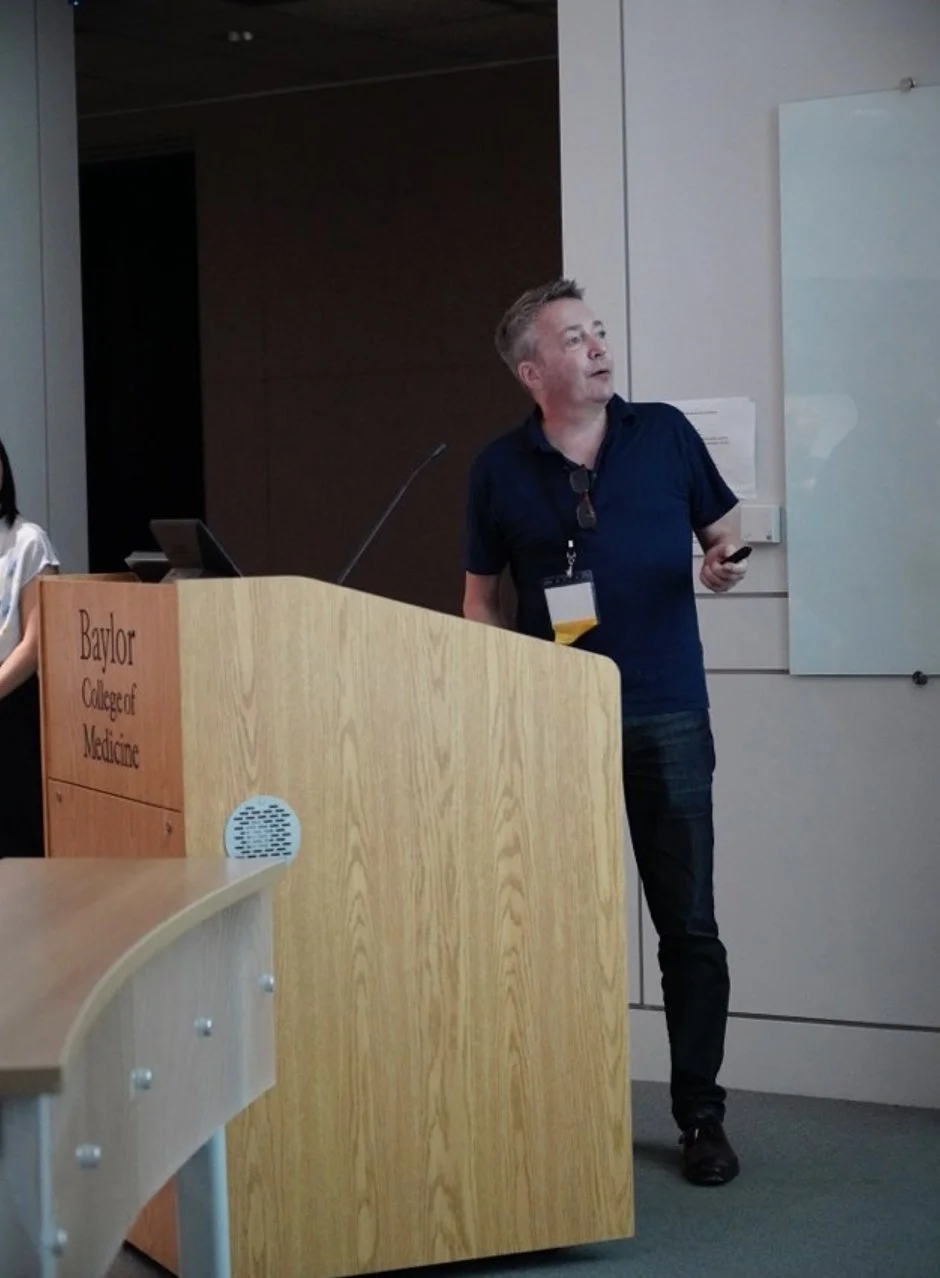
Benoit Bruneau, PhD (Gladstone Institutes), presents the cardiac 4D nucleome, the heart’s genome considered as an object that moves.
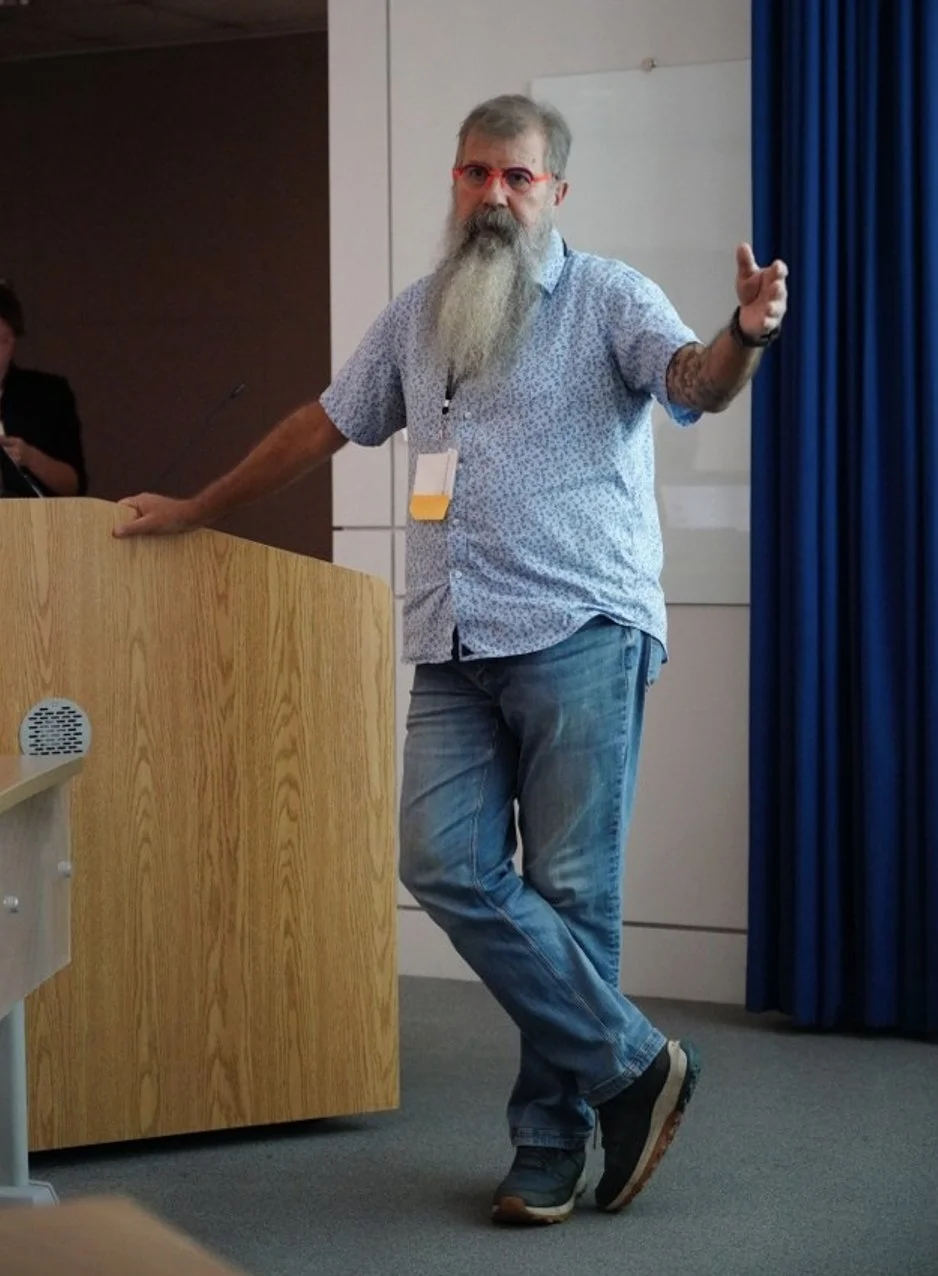
Firulli returns to the podium for the final session on endocardial gene regulatory networks and ventricular morphogenesis.
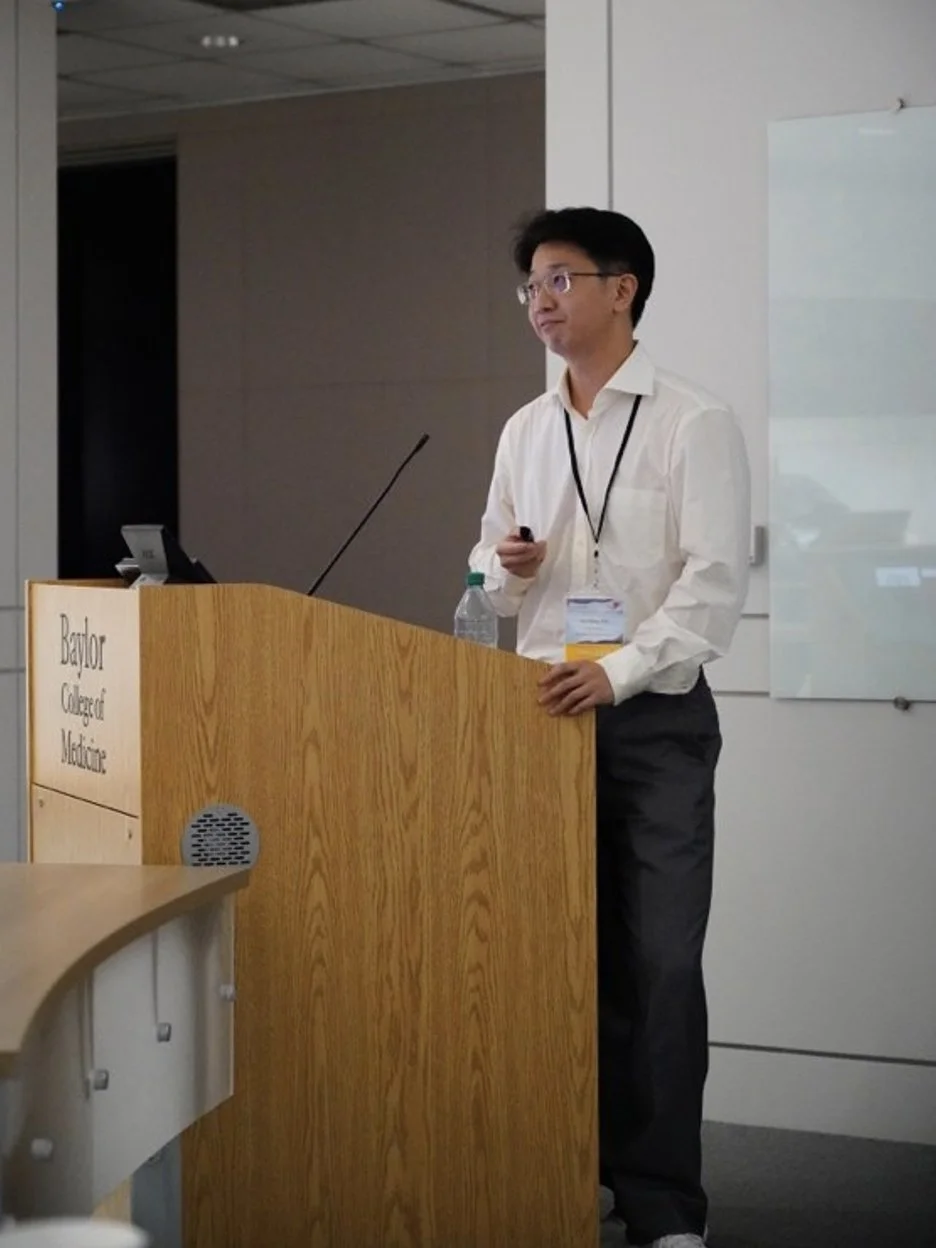
Min Zhang, PhD (Shanghai Jiao Tong University aand former Martin lab member), on Tbx1-mediated cardiac lymphatic function in heart disease.
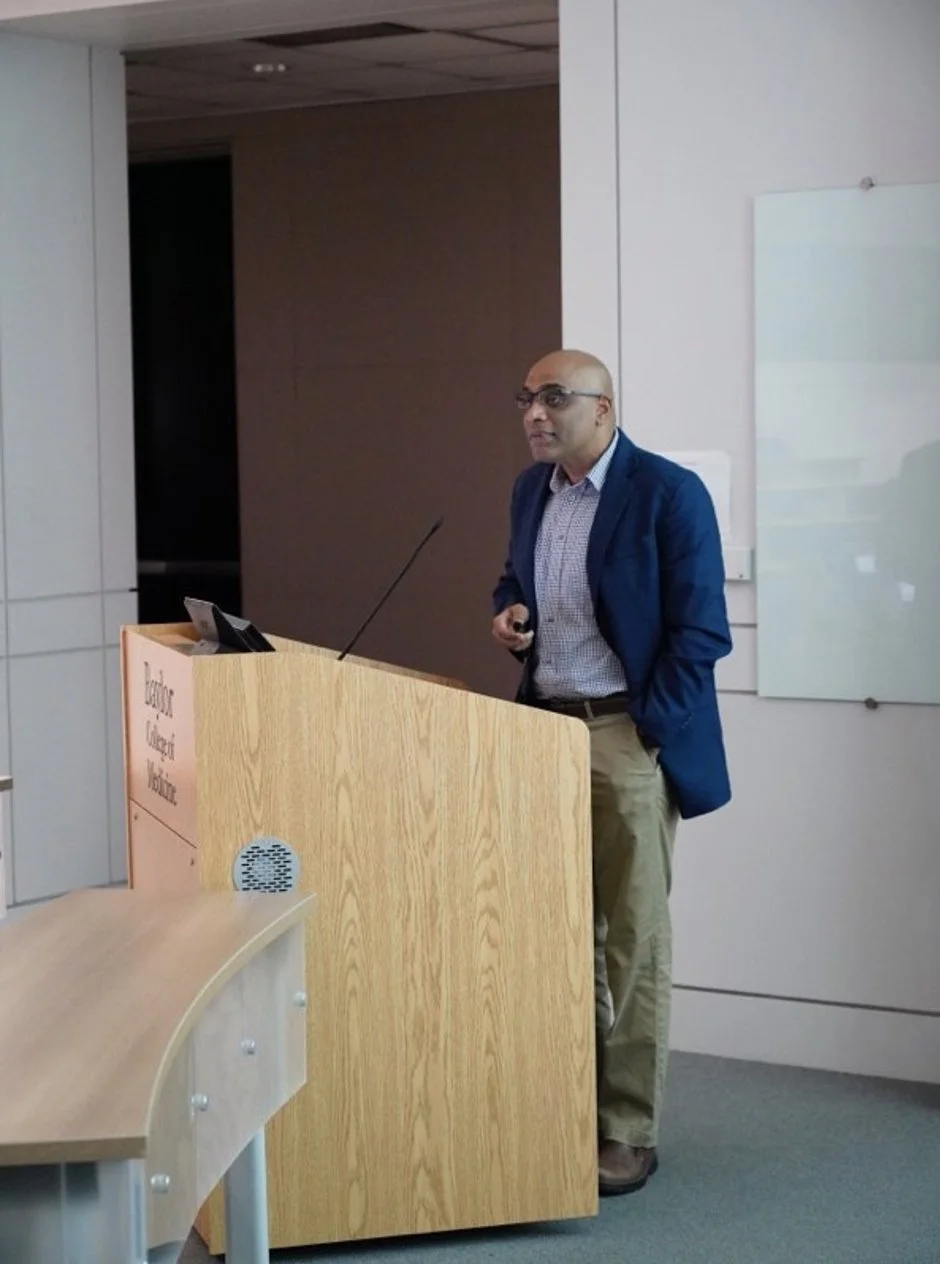
Diwakar Turaga, MD, PhD (Texas Children’s Hospital), on microvascular senescence in hypoplastic left heart syndrome.
Between Sessions
The program page lists talks. It does not list the coffee-break arguments, the introductions made in a stairwell, or the collaborations that began because two people happened to sit down together. Those are most of the reasons to hold a meeting at all.
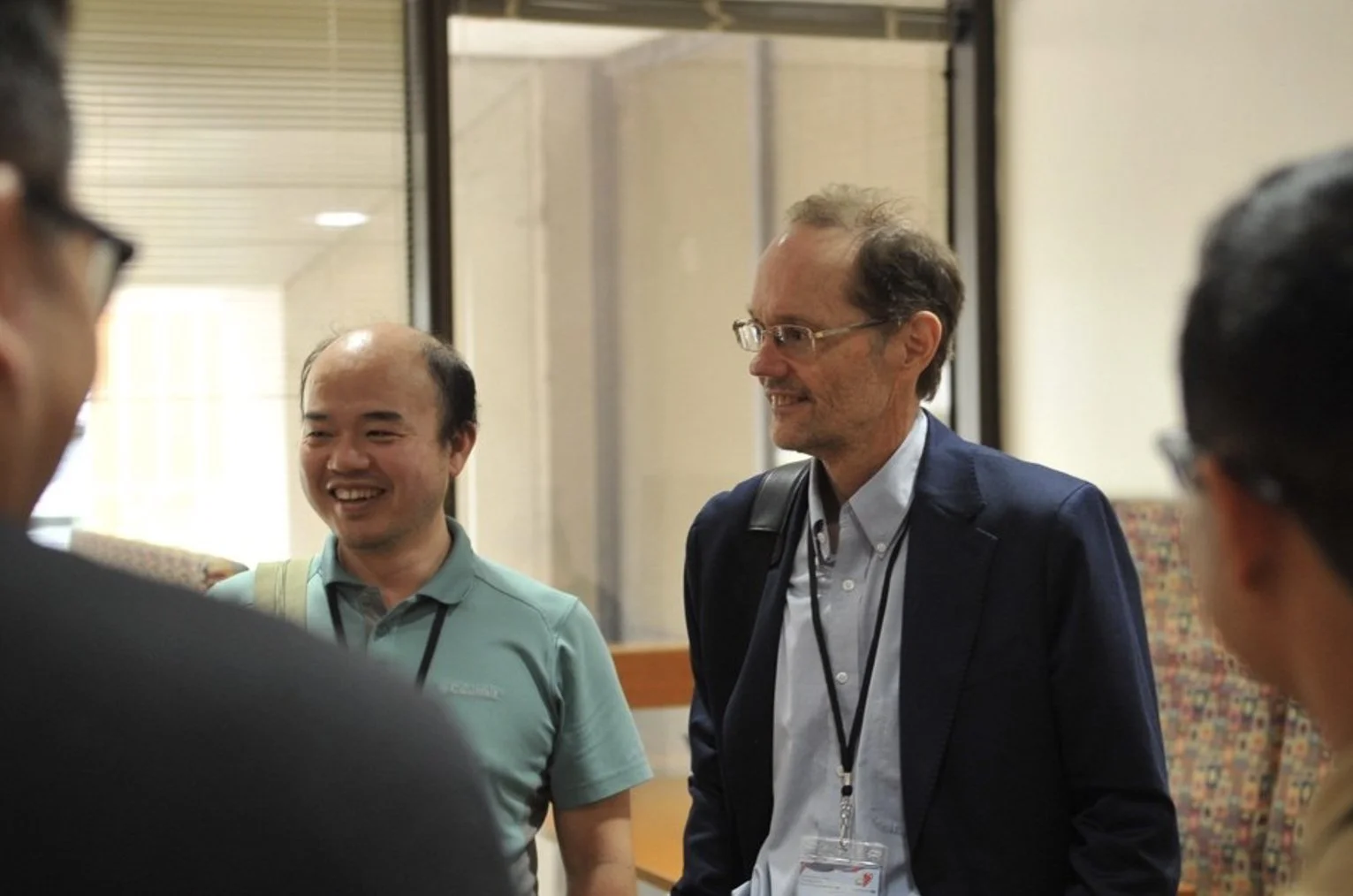
Martin with trainees between sessions.
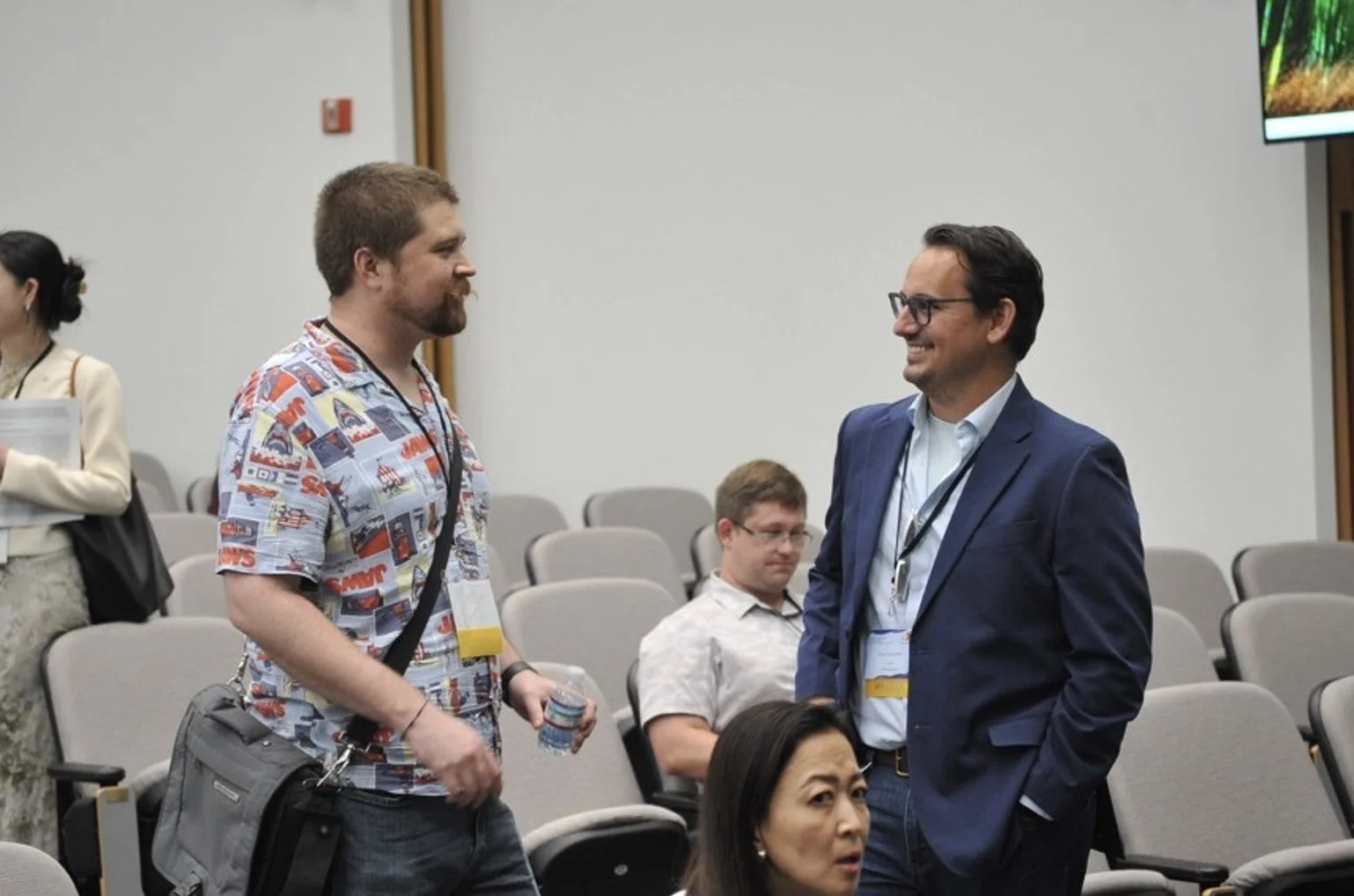
Jeffrey Steimle and John Leach, both Martin lab alumni, now running very different kinds of programs, catch up in the hall.
Day Four: Back Where We Started
The meeting closed on Monday where it had opened on Friday: UTHealth’s McGovern Medical School, a short walk back across the TMC campus from Baylor. Four days in, the room had the quality of a conference that has found its footing: fewer introductions, faster questions, and a noticeably shorter distance between a slide going up and someone challenging it.
Session 11, chaired by Jason M. Karch, PhD (Baylor College of Medicine), and Ali J. Marian, MD (UTHealth Houston), took up emerging frontiers in cardiovascular development, regeneration, and health. Paul Riley, PhD, of the University of Oxford opened with regeneration of the cardiac conduction system; Nicole Dubois, PhD, of the Icahn School of Medicine at Mount Sinai followed on RNA-binding proteins as spatial regulators of cardiac growth; and Weinian Shou, PhD, of the Indiana University School of Medicine closed the session by turning the frame outward to the maternal–fetal interaction and what it means for cardiovascular health in offspring.
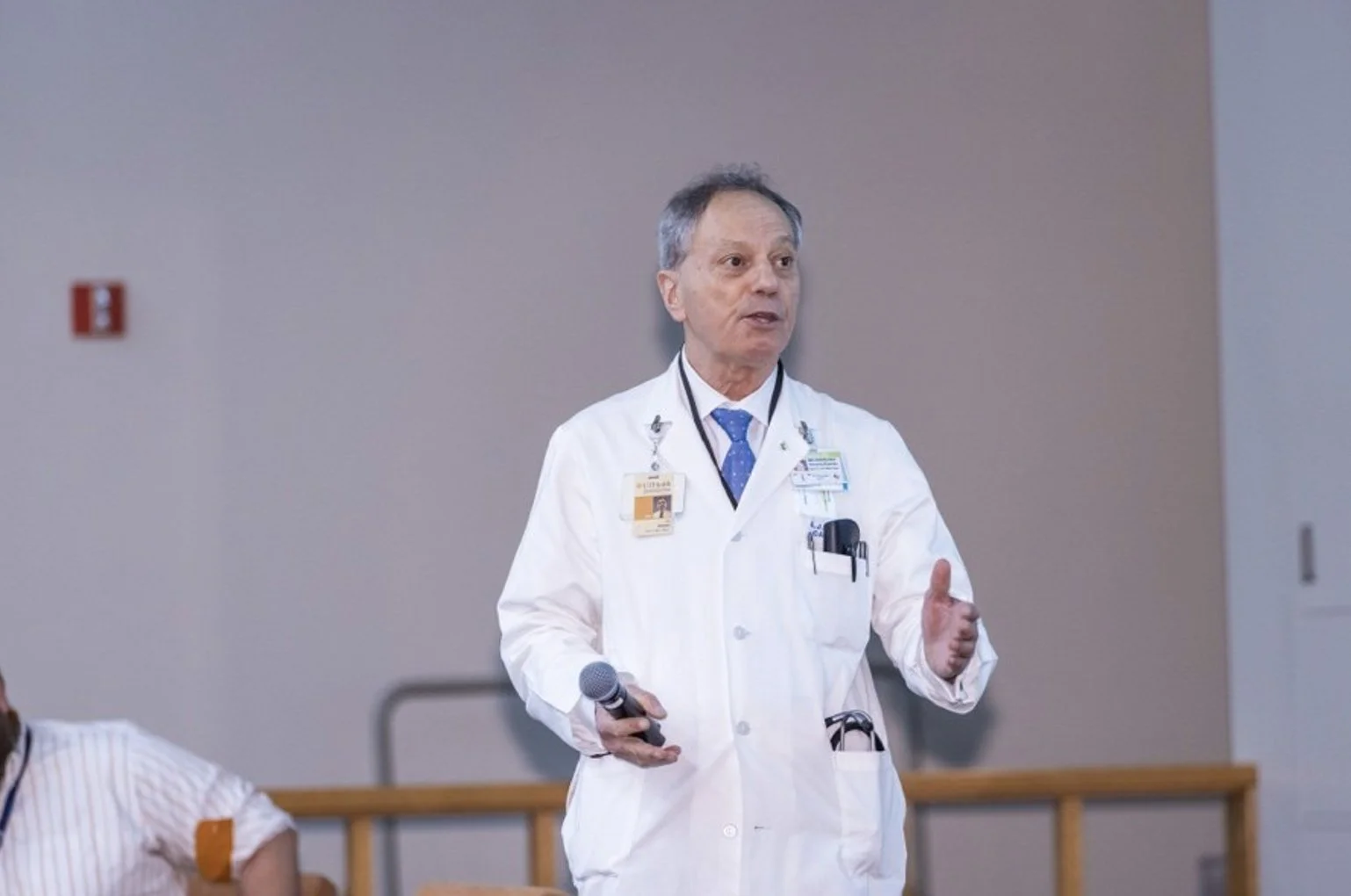
Session co-chair Ali J. Marian, MD (UTHealth Houston), puts a question to the speaker. Monday’s discussion periods repeatedly ran to their allotted times.
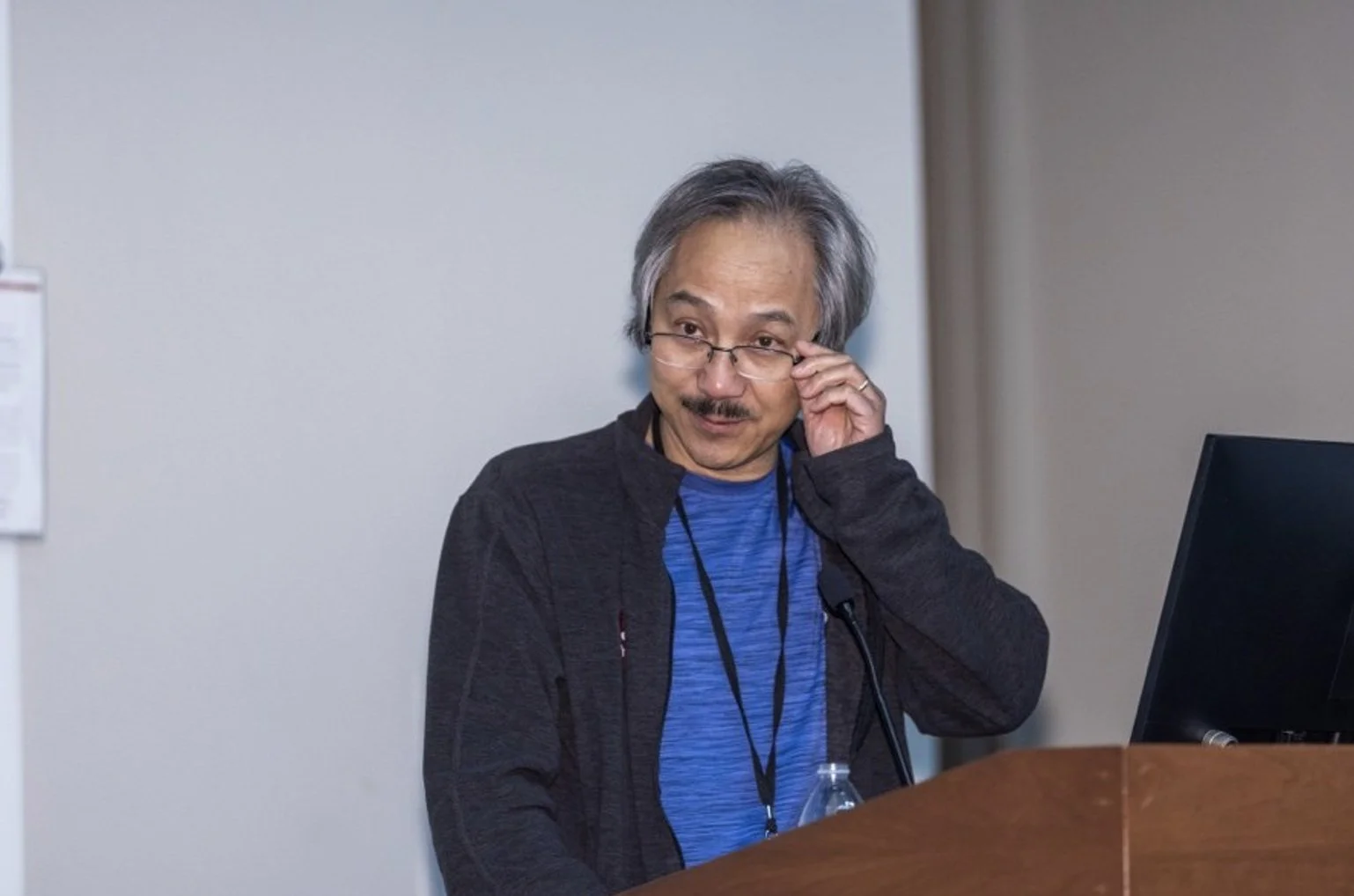
Weinian Shou, PhD (Indiana University School of Medicine), fields questions after his talk on the maternal–fetal interaction and cardiovascular health in offspring.
After the last coffee break of the meeting, Session 12 turned to cardiovascular stress and remodeling with chairs Jiang Chang, MD, PhD (Texas A&M Institute of Biosciences and Technology), and John P. Cooke, MD, PhD (Houston Methodist). Holger Eltzschig, MD, PhD, of UTHealth Houston presented on hypoxia-inducible factors during myocardial injury, and Zhao Wang, PhD, of City of Hope followed with work on osimertinib cardiotoxicity, a reminder, late in a program full of developmental biology, of how quickly a cancer drug can become a cardiology problem.
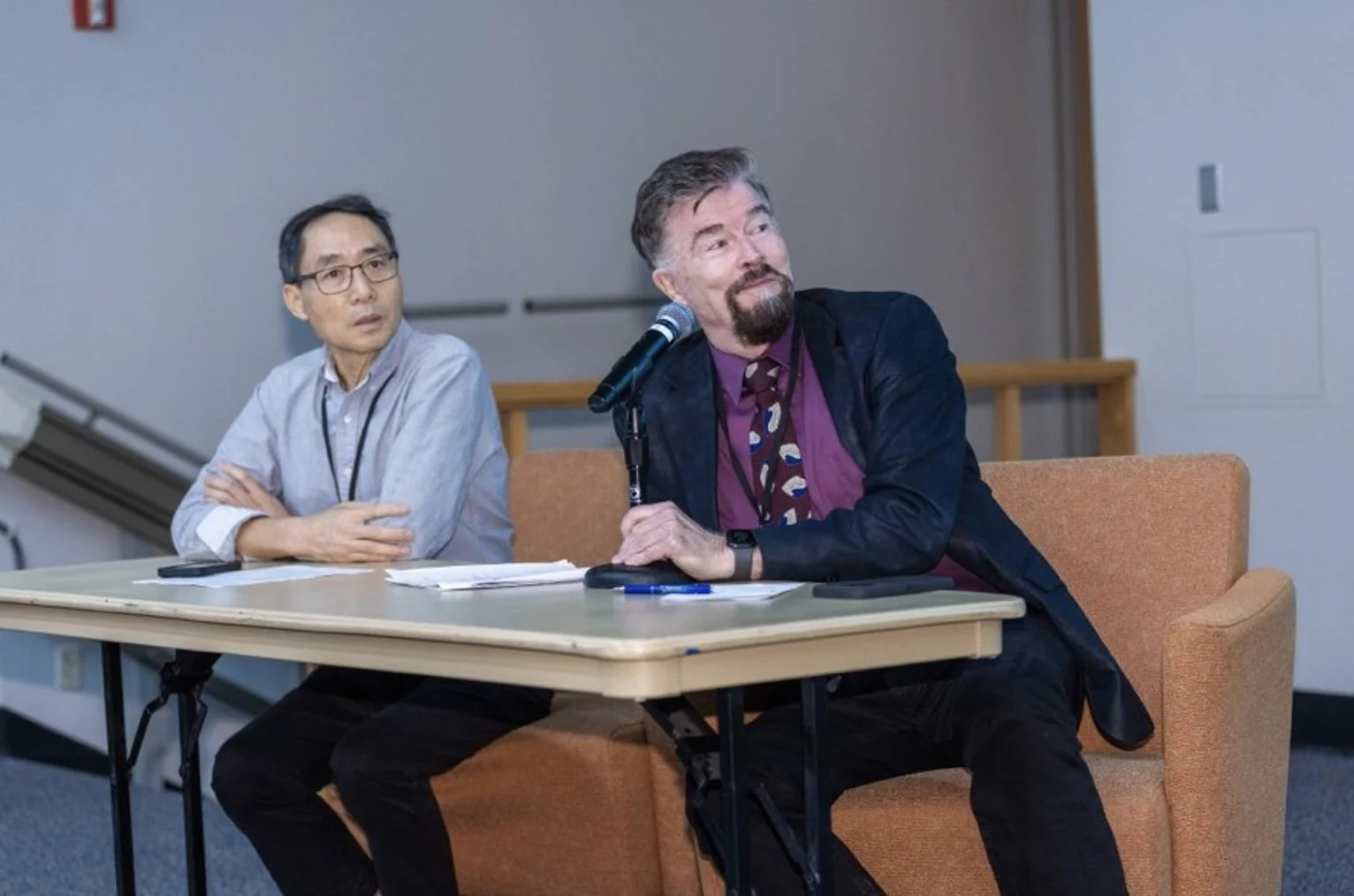
Session 12 co-chairs Jiang Chang, MD, PhD (Texas A&M), and John P. Cooke, MD, PhD (Houston Methodist), engage the speaker from the front of the room.
The final two talks of CardioFrontiers 2026 went, fittingly, to Rising Stars.
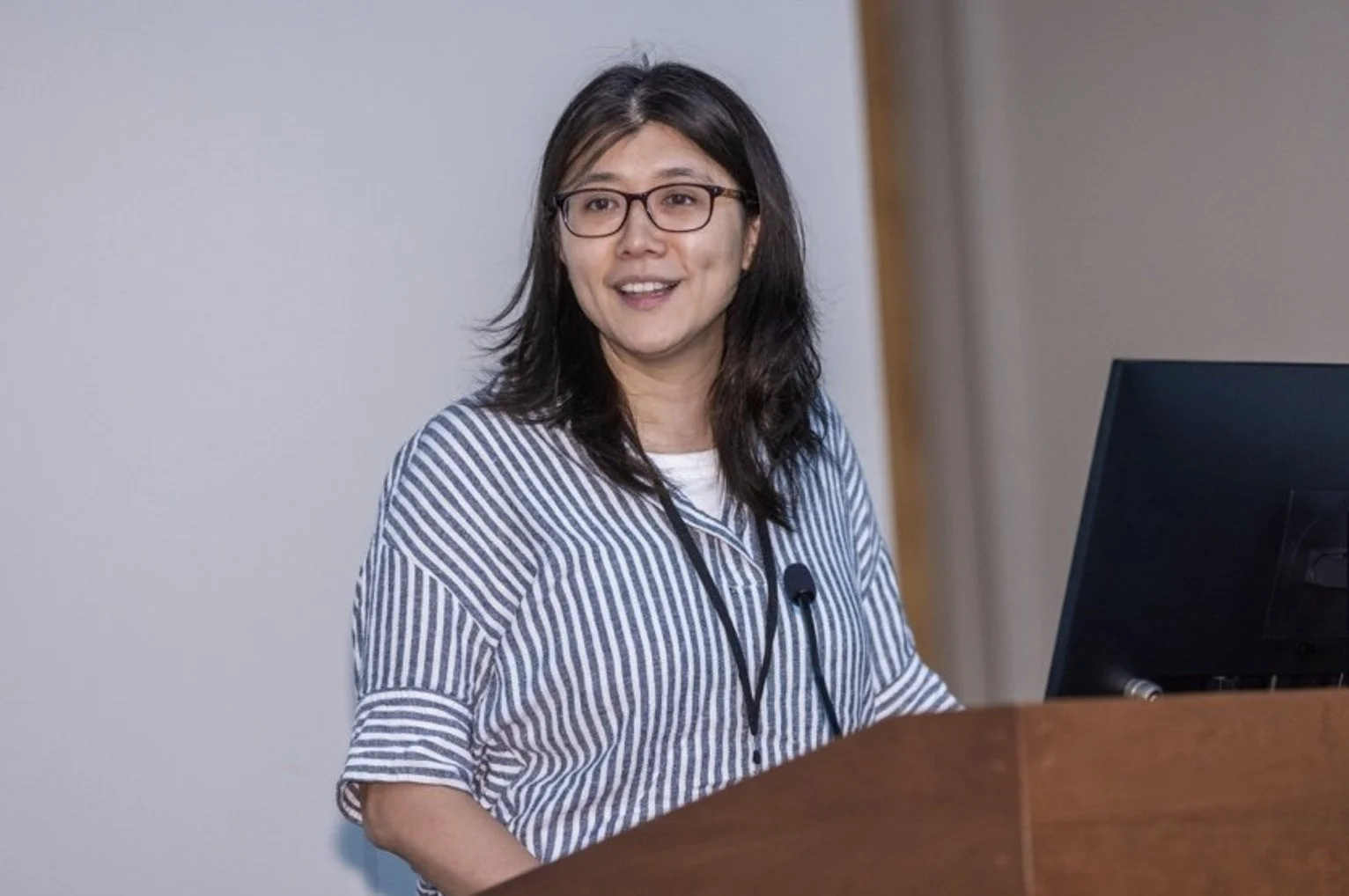
Yang Xiao, MD, PhD (Medical College of Wisconsin), on the functional interrogation of single-cell omics in cardiometabolic disease.
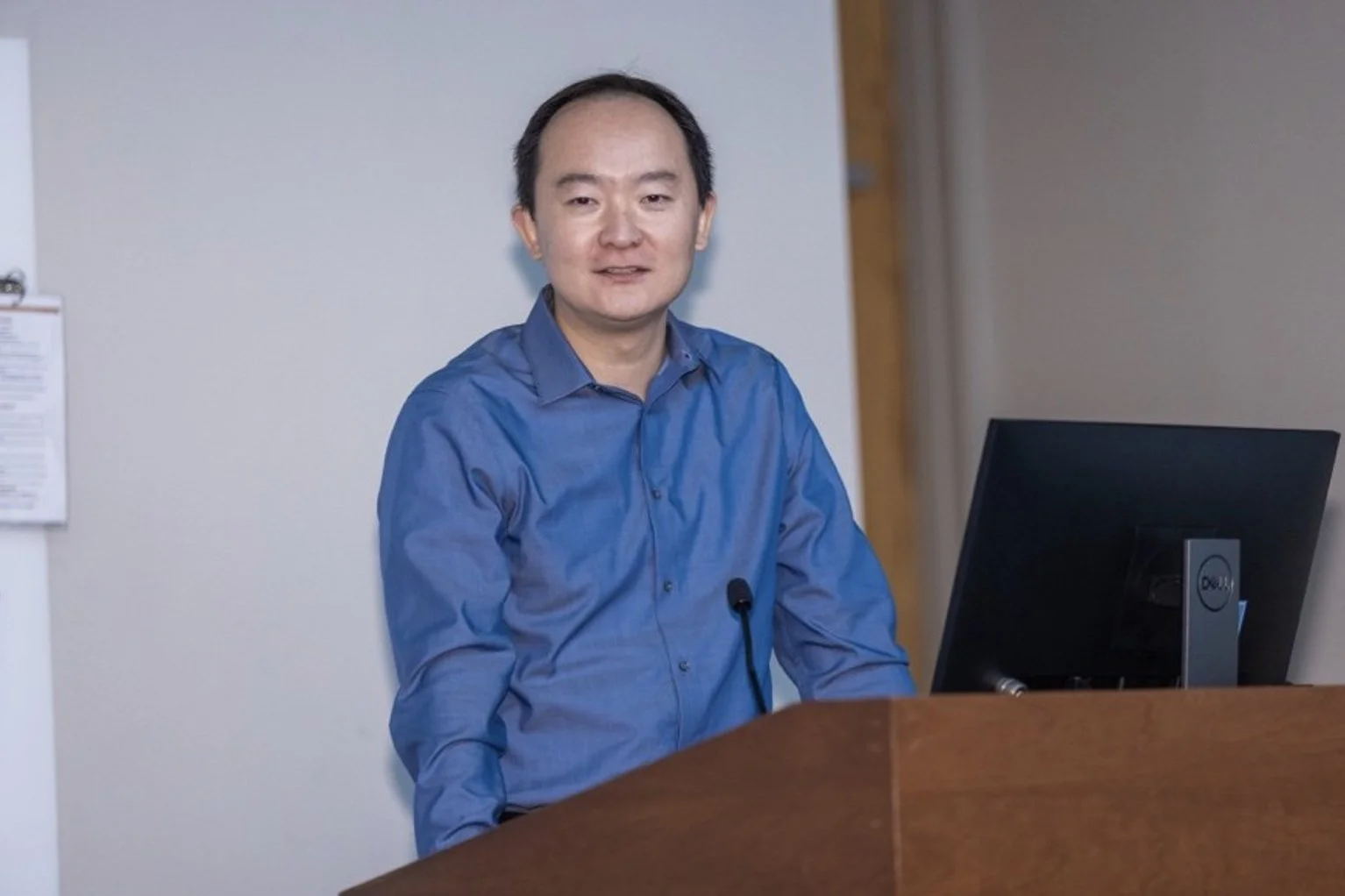
Xiao Li, PhD (Baylor College of Medicine), closes the scientific program with spatially resolved microvascular rewiring in the transplanted heart.
Closing remarks began at noon and were over by noon. The organizers stuck to the schedule to the last minute, which anyone who has sat through a conference that didn’t will recognize as an achievement in its own right. The room, though, had the final word.
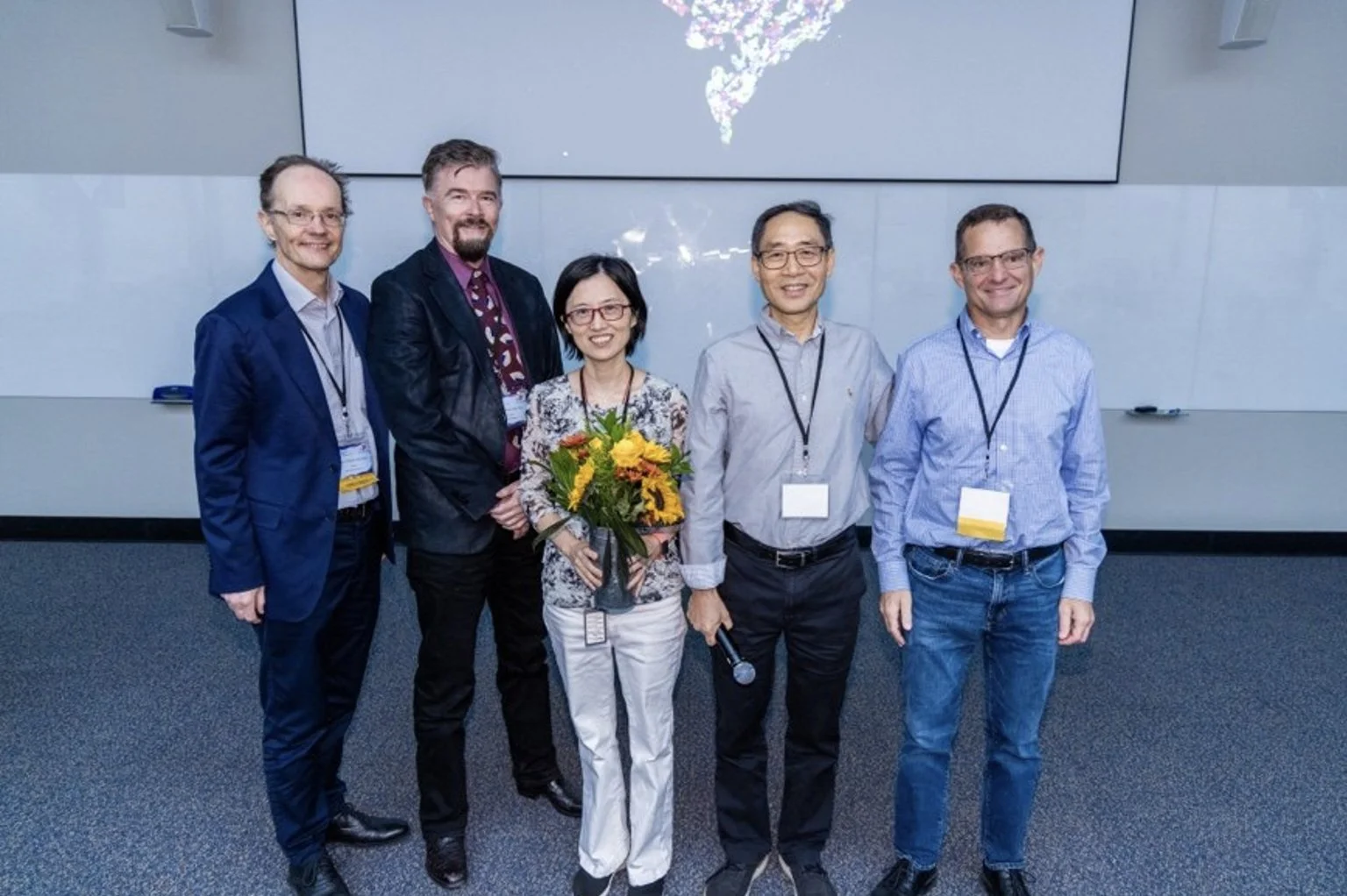
Jun Wang, PhD, FAHA, conference co-chair, receives the meeting’s thanks from James Martin and the assembled conference during closing remarks. After four days of programming, the longest applause was for the people who built it.
Our Thanks
CardioFrontiers 2026 was made possible by fifteen sponsor organizations across our Diamond, Platinum, Gold, and Bronze tiers, and by their willingness to back a meeting that puts trainees on the same stage as established investigators.
Thanks also go to the colleagues whose work never appears on the program. Credentialing, ordering, logistics, graphic design, venue coordination, catering, photography, and the conference website: Shannon Erhardt, Todd Heallen, Julianna Quinn, and Mark Returan, and to the student and postdoctoral volunteers from across the Houston institutions who staffed registration, the poster session, and audiovisual support for four straight days.
Questions about CardioFrontiers may be directed to cardiofrontiers@gmail.com. The full program, speaker list, and venue information remain available at jfmartinlab.com/cardiofrontiers.
To Conclude
CardioFrontiers 2026 drew investigators and trainees from across the country and abroad for thirty-three featured and Rising Star talks, dozens of early-career presentations, a poster session, two industry sessions, a career panel, and memorable dinners. Our thanks to everyone who traveled, presented, chaired, volunteered, and sponsored.